 Pin this
 If you’d told me cottage cheese could turn into bread, I would have laughed—until the first time the kitchen filled with the nutty aroma of this flatbread crisping in the oven. The batter was so simple I almost doubted it would work, but I remember the rush of curiosity as I watched those pale rounds puff and set. The sound of the blender whirring, then the thick, velvety batter pouring onto parchment, has become oddly calming at the end of a busy day. On that first try, I underestimated how much the finished bread would remind me of the fluffy wraps I’d missed since going gluten-free. This flatbread’s charm is in both its humble ease and its surprising versatility.
I whipped up a batch for a lazy weekend brunch when my friend Lisa confessed she was bored of eggs. We played around with spreading the batter in different shapes, giggling at the irregular blobs before they turned golden. She took one bite and announced it officially replaced her standard wraps; now she messages me photos whenever she makes it. Moments like those—food discoveries that become inside jokes—are always the ones I keep.
Ingredients
- Cottage cheese: Blending it smooth is key—full-fat yields a richer flavor, but low-fat keeps it light and still works well.
- Eggs: These hold everything together and give the finished bread its bendy, flexible texture; don’t skip them or the bread won’t set.
Tired of Takeout? 🥡
Get 10 meals you can make faster than delivery arrives. Seriously.
One email. No spam. Unsubscribe anytime.
Instructions
- Get your oven ready:
- Set your oven to 350°F (175°C) ahead of time and line a baking sheet with parchment—otherwise, you’ll spend more time scrubbing than snacking.
- Make the magic batter:
- Toss the cottage cheese and eggs into a blender, and listen for that low rumble as it whips into a completely smooth, creamy mixture.
- Shape the rounds:
- Pour the batter onto your parchment, then use a spatula to nudge it into three or four neat circles less than half an inch thick; don’t worry if they’re a little wonky.
- Bake to perfection:
- Slide them into the oven and let the flatbreads set and turn a gentle gold at the edges—about 18–22 minutes, but peek halfway through if you’re like me and can’t resist watching.
- Cool and lift:
- Let them rest a few minutes before peeling the flatbreads off the parchment; the patience pays off when they come away clean and supple.
 Pin this
  Pin this
 The day I packed these flatbreads for a picnic, my partner and I realized how something so simple could turn sandwiches into an event. Sitting under the sun, tearing into soft, still-warm rounds, we hardly noticed we’d forgotten chips—these stole the show all on their own.
Swaps and Variations to Try
I’ve tested nearly every version: a pinch of smoked paprika for color, dairy-free cottage cheese when cooking for vegan friends, even small dollops of pesto swirled into the batter for an herby hit. Each change gives the flatbread a new personality and lets you adapt to whatever’s in your fridge.
Storing and Reheating Tips
Wrap any leftovers tightly and stash them in the fridge, where they’ll stay soft for up to three days. Reheating a piece in a dry skillet gives the edges toastiness again, almost like fresh-baked.
A Few Final Thoughts Before You Bake
Once you try this, you might never look at cottage cheese the same way. Expect the mixture to be runny—trust the process and resist the urge to add flour. You’ll thank yourself.
- Let the baked rounds cool before handling—they’re delicate when hot.
- Use an offset spatula for hassle-free peeling.
- Add herbs or a pinch of salt for even more flavor.
 Pin this
  Pin this
 I hope these protein-rich flatbreads bring as much easy joy to your table as they have to mine. Sometimes the best kitchen moments come from just two humble ingredients and a spark of curiosity.
Recipe FAQs
- → How do I achieve a smooth batter?
Use a blender or food processor and blend the cottage cheese with the eggs for about 30 seconds until completely smooth; scrape down the sides as needed to eliminate lumps.
- → What texture should the flatbread have?
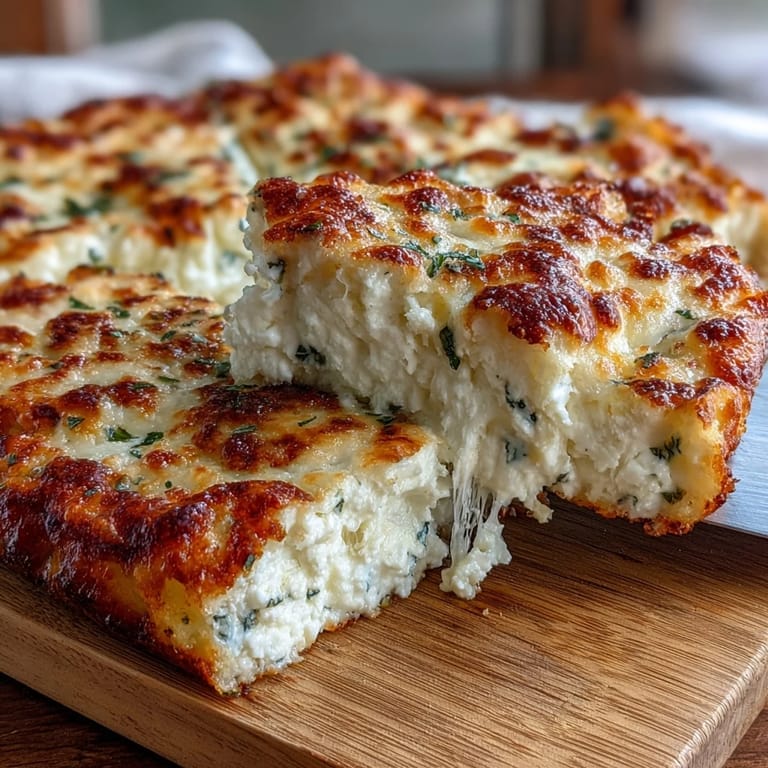
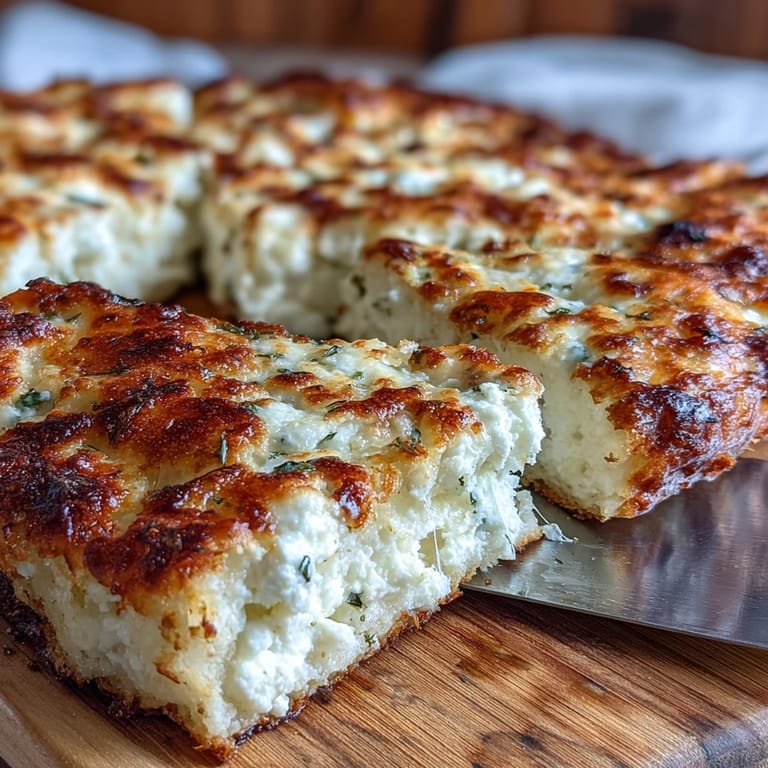
The finished flatbread should be soft and pliable with a lightly golden surface; when fully set it lifts cleanly from the parchment and bends without cracking.
- → Can I add seasonings or mix-ins?
Yes—stir in a pinch of salt, pepper, garlic powder, or chopped herbs before baking. For more savory notes add grated parmesan or a sprinkle of chili flakes.
- → Is there a dairy-free option?
Substitute a dairy-free cottage cheese alternative, keeping in mind texture may vary and the batter could be slightly wetter or crumblier depending on the product used.
- → How should leftovers be stored and reheated?
Keep flatbreads in an airtight container in the refrigerator for up to three days. Reheat briefly in a warm skillet or oven to restore pliability and a light crisp on the edges.
- → What are common uses for these flatbreads?
Use them as wraps, sandwich layers, quick pizza bases, or served alongside dips; their neutral flavor pairs well with both savory and herbed toppings.