 Pin this
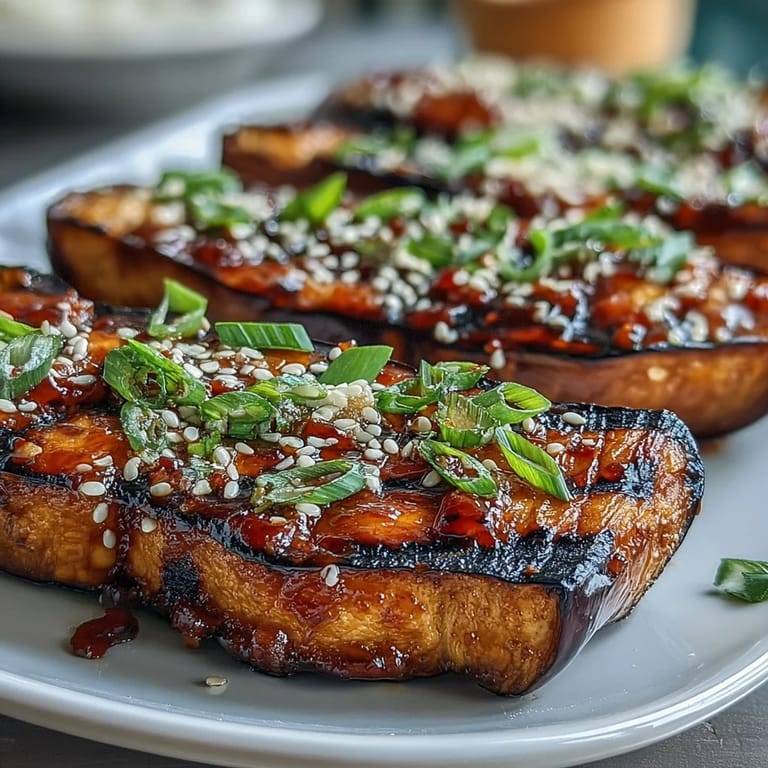
 Sometimes the most intoxicating aroma in my kitchen isn’t from simmering stews or freshly baked bread, but from eggplants sizzling under a caramelizing broiler. It was curiosity that first brought this recipe into my kitchen—a late Sunday afternoon, leafing through an old Japanese cookbook I’d borrowed for “just one quick browse”. Before I knew it, plump eggplants were halved on my cutting board, and the heady tang of miso was drifting through the house. The sizzle of miso glaze hitting roasted eggplant made me pause just to inhale. It’s become a dish I reach for when I want dinner to be comforting, colorful, and impossibly easy.
One evening, desperate for something different besides the usual side salad, I decided to make this miso glazed eggplant for a friend who said she “wasn’t big on eggplant.” By the end of dinner, the platter was wiped clean, and we found ourselves scraping the extra miso glaze off the parchment with chopsticks, laughing about how wrong first impressions can be. That night, this dish became a regular in my repertoire for guests and solo weeknights alike.
Ingredients
- Eggplant: Choose firm, glossy eggplants; I’ve found smaller, younger ones are less bitter and roast up meltingly tender.
- White miso paste (shiro miso): Milder and slightly sweet, white miso is the key to that luscious glaze; don’t substitute with red miso unless you want a punchier flavor.
- Mirin: This sweet rice wine balances the salty miso and brings necessary sheen; if it’s missing from your pantry, a splash of rice vinegar mixed with a pinch of sugar does the trick.
- Sake: Adds depth and that elusive umami roundness; cooking sake works fine, but I once used a sip of leftover Junmai and it turned out great.
- Sugar: Just enough to coax caramelization under the broiler, it brings the glaze together; I prefer fine granulated so it dissolves easily.
- Soy sauce: Gives a backbone of savory saltiness, and can be swapped for tamari for gluten-free eaters.
- Sesame oil: Its nutty aroma is irresistible brushed over the eggplant; go for toasted sesame oil for the fullest flavor.
- Toasted sesame seeds: A quick sprinkle at the end brings crunch and looks instantly fancy (toasting them fresh is worth the extra minute).
- Green onions: Add a pop of color and freshness to balance the glaze’s richness; slice as thinly as possible for prettiest results.
Tired of Takeout? 🥡
Get 10 meals you can make faster than delivery arrives. Seriously.
One email. No spam. Unsubscribe anytime.
Instructions
- Start the oven:
- Preheat your oven to 400°F and line a baking sheet with parchment—it makes cleanup blissfully easy.
- Prepare the eggplant:
- Halve the eggplants lengthwise, then score the creamy flesh in a crosshatch pattern, being mindful not to pierce the skin.
- Slick with sesame oil:
- Brush the cut side of each eggplant half with toasted sesame oil, letting a little pool into the crevices for extra flavor.
- Roast until tender:
- Set the eggplants cut side up on the tray and bake for about 25 minutes, until they’re soft and tinged golden at the edges.
- Bubble up the miso glaze:
- While the eggplant cooks, whisk together miso, mirin, sake, sugar, and soy sauce in a small saucepan over low heat—it should smell savory and sweet, and thicken after a few stirs.
- Glaze generously:
- Once the eggplants are roasted, slather their tops with plenty of warm miso glaze (don’t be shy; the more the better).
- Broil to caramel perfection:
- Pop the glazed eggplants under a hot broiler for 3-5 minutes; keep a close eye as the glaze bubbles and forms gorgeous golden patches.
- Garnish and serve:
- Transfer to plates, then scatter sesame seeds and green onions over the top—a finishing flourish that wakes up the whole dish.
 Pin this
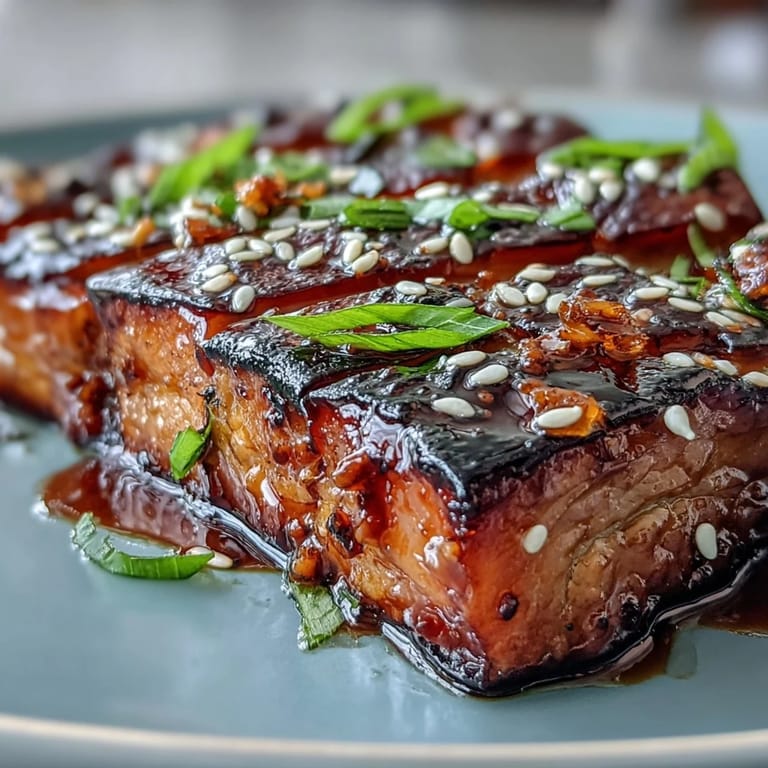
 There was a night when I centered dinner around this dish, serving it on my best blue plate and lighting a lone candle just for myself. The sticky, savory bites felt like self-care with every forkful, and for once, the kitchen mess didn’t bother me—it was worth every smear of glaze on the countertop.
A Shortcut for Busy Evenings
On rushed nights, I’ve sometimes skipped making rice altogether and just scooped the eggplant straight from the sheet pan while it was still warm. The recipe forgives this kind of impatience—the flavors deliver comfort even when dinner is a solo act in socked feet.
Vegan and Gluten-Free Tweaks
I’ve fielded every allergy-related question from friends, and this dish adapts easily. Just double-check your miso and tamari for hidden gluten, and you’re good to go—it’s always a relief to have a crowd-pleaser in your back pocket.
When Extra Glaze is a Stroke of Genius
I used to ration the glaze nervously, but eventually realized doubling it means sweet, umami-rich leftovers for rice bowls or roasted veggies. Never underestimate the happiness of an extra spoonful on tomorrow’s lunch.
- If you make extra, store in a sealed jar—it lasts for up to a week in the fridge.
- Warm it slightly before using to bring back its silky texture.
- Don’t forget to taste and adjust the seasoning if you improvise.
 Pin this
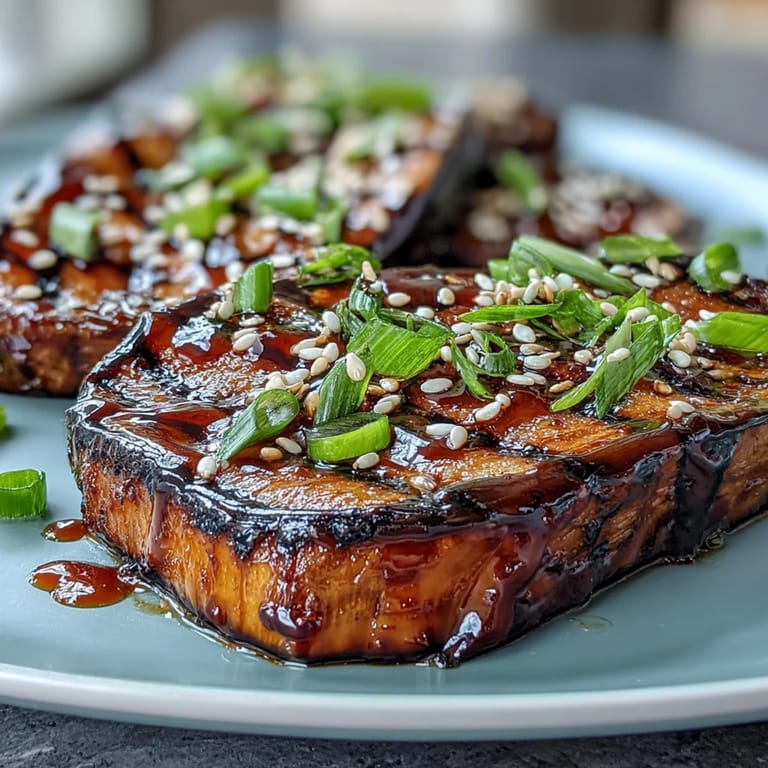
 I hope this miso glazed eggplant brings a little kitchen joy to your week, whether you’re sharing it or savoring every bite on your own. Don’t be surprised when you start craving that bubbly, golden glaze more often than you expect.
Recipe FAQs
- → Which eggplant variety works best?
Medium globe or Japanese eggplants are ideal. Globe eggplants give a meaty texture and hold up well to roasting; Japanese varieties are slightly sweeter and quicker to cook.
- → How do I prevent soggy eggplant?
Score the flesh in a crosshatch to promote even roasting and allow moisture to escape. Roast cut side up at a high temperature so the flesh browns rather than steams.
- → Can I make the glaze ahead of time?
Yes — warm the miso-mirin-sake mixture until smooth, then cool and store in the fridge up to 3 days. Rewarm gently and whisk before spreading on the eggplant.
- → What’s the best way to caramelize the glaze?
After glazing, place the tray under a high broil for 3–5 minutes, watching closely. The intense heat bubbles and caramelizes sugars for a glossy, slightly charred finish.
- → Are there good substitutions for mirin or sake?
For mirin, a mix of rice vinegar and a bit of sugar approximates the sweetness and acidity. If avoiding alcohol, use a mild white wine or extra mirin substitute sparingly to balance flavors.
- → How can I make this gluten-free or vegan-friendly?
Use tamari or a certified gluten-free soy sauce to avoid gluten; check miso and sake labels for vegan certification. Sesame oil and scallions are already vegan-friendly additions.