 Pin this
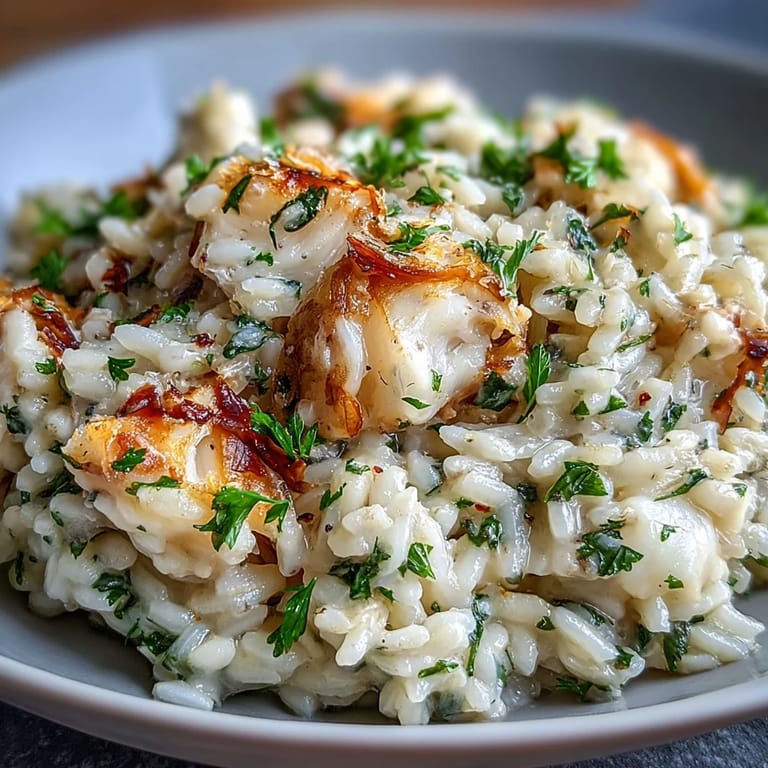
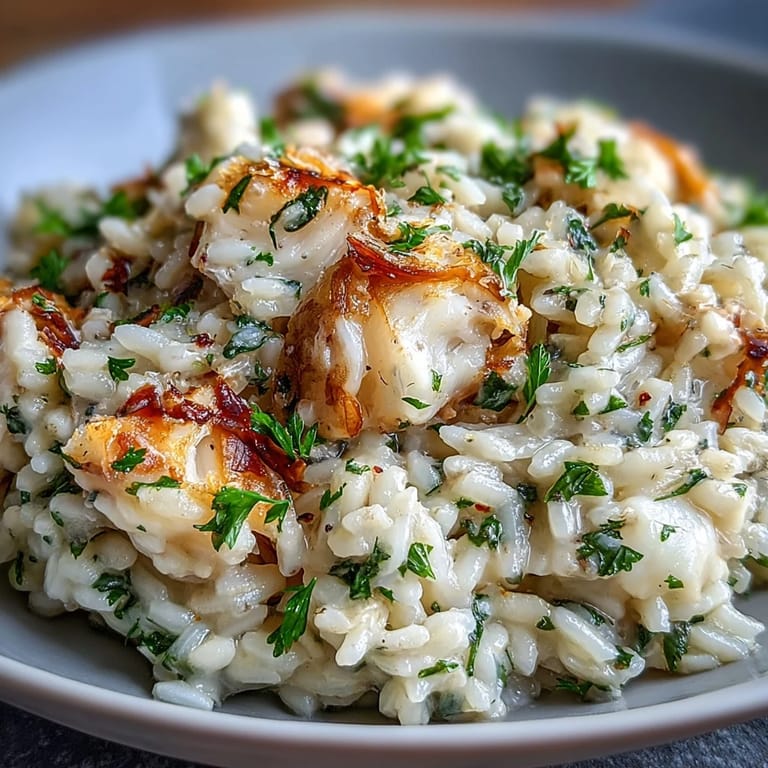
 The smell of smoked haddock poaching in milk is one of those quiet kitchen moments that pulls you right back to shore somehow. I started making this risotto on a particularly gray Tuesday when I had leftover fish from the weekend and wanted something that felt like a hug in a bowl. The first time, I was skeptical about using the poaching milk in the rice itself, but that smoky, creamy liquid turned out to be the entire soul of the dish. It's one of those recipes where you can actually taste the sea without anything feeling heavy or overpowering. Now it's my go-to whenever I need comfort with a little sophistication.
I made this for a small dinner party once, and my friend who claimed she didn't like risotto asked for the recipe before dessert even arrived. There's something about the delicate flakes of haddock folding into that creamy rice that feels both humble and special. The lemon zest was a last-minute addition that night, and it brightened everything just enough to make people pause between bites. I remember standing at the stove, stirring slowly, while everyone else sat around the table with wine, and it felt less like work and more like I was part of the conversation. That's the kind of dish this is.
Ingredients
- Smoked haddock fillets: Always go for undyed if you can, the natural pale color means it's been smoked properly and won't turn your risotto an unnatural yellow.
- Whole milk: This becomes your secret weapon, soaking up all that smoky flavor during poaching and adding creaminess to the rice later.
- Fish or vegetable stock: Keep it hot in a separate pan so the rice cooks evenly without cooling down every time you add a ladle.
- Arborio or Carnaroli rice: Carnaroli holds its shape a bit better, but Arborio is easier to find and works beautifully for a home kitchen risotto.
- Onion, garlic, and leek: The leek adds a gentle sweetness that plays so well with the smoke, don't skip it even if you're tempted.
- Butter and olive oil: Starting with both gives you richness without burning, the butter at the end makes everything glossy and luxurious.
- Parmesan cheese: Freshly grated is non-negotiable here, the pre-grated stuff just won't melt into the rice the same way.
- Flat-leaf parsley and lemon zest: These bring brightness and cut through the richness right when you need it most.
- Black pepper and sea salt: The haddock and Parmesan are already salty, so go light on the salt and taste as you go.
Tired of Takeout? 🥡
Get 10 meals you can make faster than delivery arrives. Seriously.
One email. No spam. Unsubscribe anytime.
Instructions
- Poach the haddock:
- Slide the haddock into a saucepan with the milk and bring it to a bare simmer, just a few bubbles around the edges. After 5 to 7 minutes, the fish will turn opaque and flake easily, lift it out gently and set it aside to cool, keeping that poaching milk like gold.
- Soften the aromatics:
- Warm the olive oil and butter together in your largest pan, then add the onion, leek, and garlic, stirring until they go soft and translucent without any color. This base is where all the sweetness starts.
- Toast the rice:
- Tip in the Arborio and stir it around for a minute or two until the edges start to look glassy. You'll hear it make a faint rattling sound against the pan.
- Add the poaching milk:
- Pour in all that reserved milk and stir until the rice drinks it up almost completely. The kitchen will smell incredible at this point.
- Ladle in the stock:
- Add the hot stock one ladle at a time, stirring often and waiting until it's mostly absorbed before adding more. This slow process is what makes risotto creamy, and it takes about 20 minutes, so put on some music or pour yourself a glass of wine.
- Fold in the fish and finish:
- When the rice is tender but still has a little bite, gently fold in the flaked haddock, Parmesan, lemon zest, and parsley. Taste it, adjust the seasoning, and if you're feeling indulgent, stir in an extra knob of butter.
- Rest before serving:
- Take the pan off the heat, cover it with a lid, and let it sit for 2 minutes. This lets everything settle and the flavors meld together beautifully.
 Pin this
  Pin this
 There was one evening I made this after a long, frustrating day, and I realized halfway through that I'd forgotten to buy Parmesan. I used a bit of sharp cheddar instead, and honestly, it was still wonderful, just proof that this recipe is forgiving and adaptable. My husband wandered into the kitchen, drawn by the smell, and we ended up eating straight from the pan with a bottle of cold white wine between us. It became less about perfection and more about the ritual of stirring, tasting, and sharing something warm together.
Choosing Your Fish
Smoked haddock is traditional, but I've also made this with smoked cod or even hot-smoked salmon when I wanted something a little richer. The key is to avoid anything too heavily salted or artificially flavored, you want the smoke to whisper, not shout. If you can find naturally smoked fish from a good fishmonger, it's worth the extra effort, the flavor is cleaner and the texture is miles better. Undyed haddock has a pale, creamy color and a more delicate taste, while the bright yellow stuff often tastes more of dye than smoke.
Serving Suggestions
This risotto doesn't need much alongside it, maybe a simple green salad dressed with lemon and olive oil, or some blanched asparagus if it's in season. I've served it as a starter in smaller portions for fancier dinners, and it always feels elegant without being fussy. A crisp Sauvignon Blanc or a dry Riesling cuts through the creaminess beautifully, though I've also enjoyed it with a light lager on warmer nights. It's rich enough to stand on its own but gentle enough not to overwhelm.
Storage and Reheating
Risotto usually doesn't reheat well, but this one is surprisingly resilient if you treat it right. Store leftovers in an airtight container in the fridge for up to two days, and when you're ready to eat, warm it gently in a pan with a splash of stock or milk, stirring until it loosens up. Don't microwave it unless you're truly desperate, it turns gummy and sad.
- Add a little extra butter or a drizzle of cream when reheating to bring back that silky texture.
- If the rice has thickened too much overnight, thin it gradually with warm stock until it looks right again.
- Taste and adjust seasoning after reheating, flavors can dull a bit in the fridge.
 Pin this
  Pin this
 This risotto has become one of those recipes I make without thinking, the kind where my hands know the rhythm and my nose tells me when it's ready. I hope it brings you as much comfort and quiet joy as it's brought me.
Recipe FAQs
- → Can I use fresh haddock instead of smoked?
Fresh haddock can be used, but you'll lose the distinctive smoky flavor that defines this dish. Consider adding a pinch of smoked paprika to compensate for the missing smokiness.
- → What type of rice works best for this risotto?
Arborio or Carnaroli rice are ideal choices due to their high starch content, which creates the signature creamy texture. Avoid long-grain rice as it won't achieve the same consistency.
- → Can I prepare the haddock ahead of time?
Yes, you can poach the haddock up to 24 hours in advance. Store the flaked fish and poaching milk separately in the refrigerator, then gently reheat the milk before using.
- → How do I know when the risotto is properly cooked?
The rice should be al dente with a slight bite in the center, and the overall texture should be creamy and flow slowly when spooned onto a plate. This typically takes about 20 minutes of gradual stock addition.
- → What can I serve alongside this risotto?
A simple green salad with lemon vinaigrette, steamed asparagus, or roasted cherry tomatoes complement the rich, creamy texture beautifully. A crisp white wine like Sauvignon Blanc pairs wonderfully.
- → Can I freeze leftover risotto?
Freezing is not recommended as the texture becomes grainy upon reheating. Risotto is best enjoyed fresh, though leftovers can be refrigerated for up to 2 days and gently reheated with a splash of stock.