 Pin this
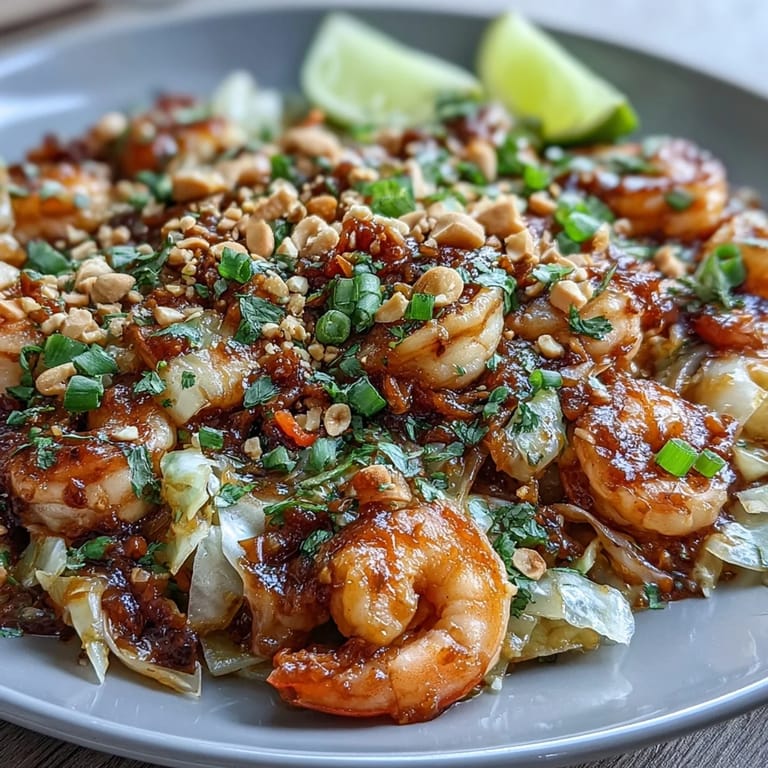
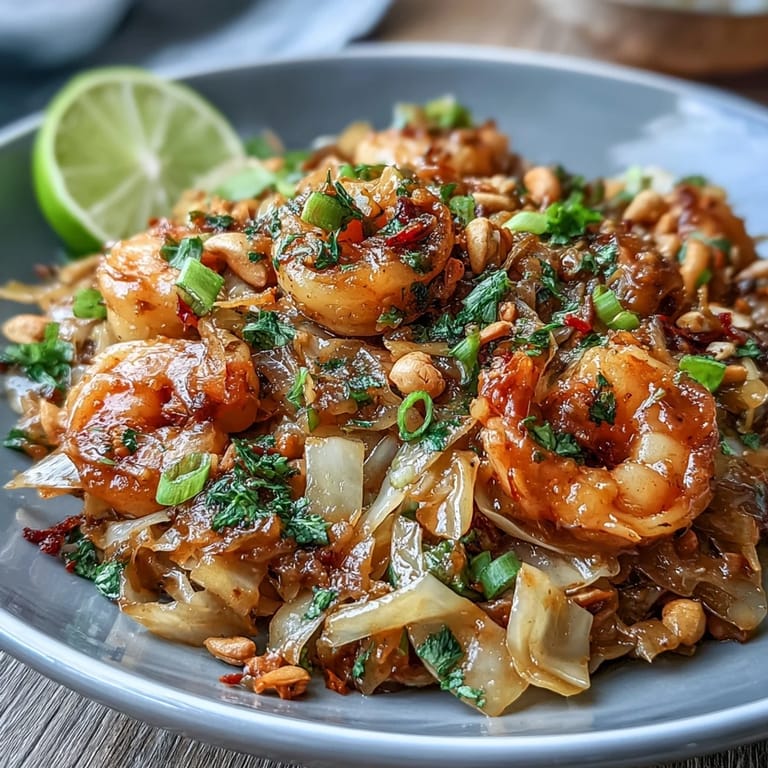
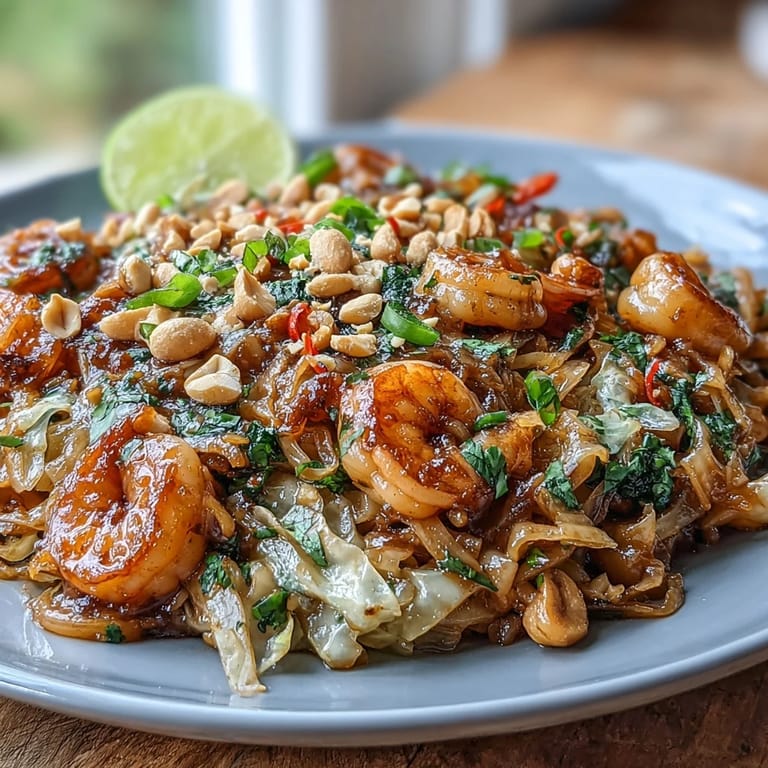
 The sound of cabbage sizzling in the wok instantly fills the kitchen with anticipation, a hint that something bright and fresh is about to hit the table. I stumbled on this Cabbage Pad Thai after a weeknight grocery run when I realized I was completely out of noodles but not out of craving that sweet-savory Pad Thai magic. Watching the shredded cabbage soften and pick up those nutty, garlicky notes, I realized sometimes substitutions spark the best meals. This dish quickly won me over for its punchy flavors and the way the lime wakes up every bite. It's become a weeknight favorite, not just for its speed, but for that uplifting crunch and tang.
One evening I made this dish for my sister who swears she's not a cabbage fan, yet by the third forkful she was asking for the recipe. I remember the brief pause over dinner while we both squeezed extra lime and clinked our forks, surprised by how much flavor this 'noodle-less' version delivered. Cooking for her that night felt like a tiny culinary victory, made sweeter by the fact I had only a handful of produce left in the fridge. Meals like this remind me that trying something new in the kitchen is always worth it.
Ingredients
- Green cabbage: Pick a firm, tight head—when thinly sliced, it soaks up sauce and turns perfectly tender without losing crunch.
- Carrot: Julienned strips add color and gentle sweetness, plus they cook in a flash alongside the cabbage.
- Red bell pepper: The red peppers bring a sweet pop and beautiful color; I like to slice them thin for quicker cooking.
- Scallions: I keep the white and green parts separate to control the layers of flavor, adding the green at the end for freshness.
- Garlic: Minced garlic sizzled in the pan sets the base for all those bold tastes; don’t let it brown—it gets bitter fast.
- Fresh ginger: A little grated ginger lifts the whole dish with warmth; watch your knuckles on the grater, as I’ve sadly learned.
- Eggs: Scrambled right in the wok, the eggs are tender and soak up the sauce beautifully.
- Chicken, shrimp, or tofu: This flexible protein base lets you match what’s in your fridge or your mood; be sure proteins are pre-cooked for ease.
- Tamari or soy sauce: Gives umami depth—use gluten-free tamari if needed; taste your brand for saltiness, as some can be punchier than others.
- Fish sauce: Optional for vegetarians, but just a smidge adds classic Pad Thai savoriness.
- Lime juice: Don’t skip fresh lime; bottled juice won’t deliver the same zing, and the wedges at the end are a must-have finish.
- Peanut butter: A spoonful makes the sauce rich and ties all the flavors together, so use smooth, unsweetened if you can find it.
- Erythritol, monkfruit, or honey: Pick your preferred natural sweetener; just a touch balances the savory and tangy notes.
- Chili flakes or Sriracha: Add just enough to keep things interesting—taste as you go for your ideal heat.
- Roasted unsalted peanuts: Smash them roughly with the flat side of your knife for those addictively crunchy bites on top.
- Fresh cilantro: Sprinkle liberally if you like; cilantro brightens every bite, but feel free to skip if you’re not a fan.
- Lime wedges: Offer plenty at the table for everyone to spritz their own—the final squeeze is magic.
Tired of Takeout? 🥡
Get 10 meals you can make faster than delivery arrives. Seriously.
One email. No spam. Unsubscribe anytime.
Instructions
- Mix up the sauce:
- Whisk together the tamari, fish sauce, lime juice, peanut butter, sweetener, and chili or Sriracha in a bowl until smooth and fragrant. Set it aside—you’ll want it ready to go for a quick toss later.
- Sizzle the aromatics:
- Heat a large nonstick skillet or wok over medium-high and swirl in a little oil. Toss in garlic, ginger, and the white parts of scallions, letting the aroma hit your nose as they turn golden at the edges—this takes just a minute.
- Add the crunchy veg:
- Slide in the shredded cabbage, carrots, and bell pepper, stirring quickly so nothing sticks. After 4–5 minutes, the veggies will still be bright but have softened just enough.
- Scramble the eggs:
- Push the vegetables aside and crack the eggs straight into the pan, scrambling gently until just set—don’t overcook, they’ll finish in the next step.
- Add protein and sauce:
- Mix in your chicken, shrimp, or tofu, then pour over the sauce. Toss everything vigorously, making sure all the cabbage ribbons get evenly coated and heated through—this takes a couple of minutes.
- Finish and top:
- Take the pan off the heat, then shower the pad thai with scallion greens, crushed peanuts, cilantro, and plenty of lime wedges. Serve immediately while the veggies retain their snap.
 Pin this
 There was this one quiet afternoon when I made a solo bowl and ate it with chopsticks right from the pan, catching the last rays of sun through my window—the kind of moment that turns a quick meal into a genuine comfort ritual.
Make It Your Own Every Time
One thing I love about this recipe is how adaptable it is—sometimes I toss in bean sprouts or use red cabbage for a moodier color. It’s a great way to clear out your crisper drawer, and honestly, every batch comes out just a little bit different, which keeps it interesting. Try swapping in whatever protein you like or even adding mushrooms for more earthy flavor if you have them on hand.
Shortcut Successes and Kitchen Surprises
Pre-shredding your cabbage a day ahead makes for lightning-fast dinners and actually helps it stay crisp in the final dish. Don’t be afraid if the cabbage looks like too much at first — it shrinks down a lot as it cooks. A few times I’ve tossed in leftover rotisserie chicken or grilled tofu, and it turned out just as satisfying as doing everything from scratch.
When to Spritz That Lime and Other Helpful Hints
The fresh squeeze of lime at the very end is more than garnish—wait until serving to add it, so the pop of citrus stays bold and bright. Peanuts are best added last, too, to keep their crunch. Don’t skip tasting for seasoning right before serving; a pinch of salt or dash of lime might transform it from good to perfect.
- If serving for guests, prep toppings in advance for easy assembly.
- Store leftovers tightly covered and reheat in a skillet to revive the crunch.
- An extra sprinkle of cilantro brings out the freshness even more.
 Pin this
 Here’s to meals that are as fun to make as they are to eat—and new favorites you never saw coming. I hope your kitchen echoes with happy crunches and the scent of lime, just like mine does every time I make this.
Recipe FAQs
- → Can I swap the cabbage for another vegetable?
Yes. Use zucchini ribbons, shredded broccoli stems, or thinly sliced bok choy for a similar texture. Keep pieces thin so they stir-fry quickly and retain some crunch.
- → How do I make this vegetarian or vegan?
Omit fish sauce and use extra tamari or a splash of mushroom sauce. Choose firm tofu, pressed and pan-seared, and replace eggs with scrambled tofu or omit them for a fully vegan version.
- → How can I keep the cabbage from turning soggy?
Shred the cabbage finely and cook over high heat for a short time, stirring constantly. Avoid adding too much liquid and add the sauce at the end to prevent steaming.
- → What are good substitutes for peanuts if allergic?
Use toasted sunflower seeds, pumpkin seeds, or chopped roasted cashews if tolerated. For a nut-free creamy element, a spoonful of tahini can add richness in the sauce.
- → Which protein works best and how should it be prepared?
Pre-cooked chicken, shrimp, or firm tofu all work well. Slice chicken thinly, cook shrimp just until opaque, and press and pan-sear tofu to remove excess moisture before adding to the pan to absorb the sauce.
- → What are the best storage and reheating tips?
Keep leftovers in an airtight container in the refrigerator for up to 3–4 days. Reheat gently in a skillet over medium heat to retain texture; add a squeeze of lime and fresh cilantro after warming.