 Pin this
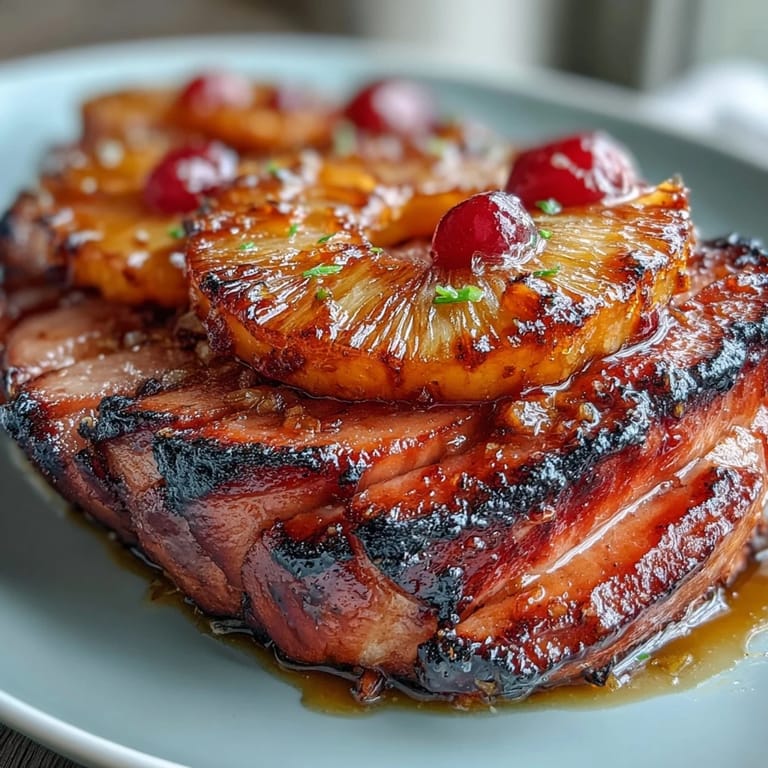
 The first time I tried honey glazed ham studded with pineapple, the kitchen filled with the aroma before I'd even opened the oven. I remember watching the glaze bubble and the golden pineapple slices melt slightly into the sticky surface, making the ham look absolutely regal. It's a dish that always feels a bit theatrical, especially when the cherries nestle into the pineapple rings. There was a moment I realized how much fun there is in decorating the ham alongside friends, laughing as we fought over who got the last cherry. Whenever I make it, I can practically hear the buzz of anticipation from everyone waiting outside the kitchen.
One spring, I made this ham for a group of hungry guests—never more nervous than when I slid it onto the table, shining and studded with fruit. We all lingered around, tasting the shiny bits of glaze straight from the pan and sneaking slices before dinner, laughing at sticky fingers and the scent of honey everywhere. I still remember how everyone insisted on seconds, piling their plates high and asking for the recipe. That night, the ham was the star, and even the sparsest slice looked inviting next to fluffy potatoes and roasted vegetables. Moments like that made me appreciate the comforting magic food can weave into gatherings.
Ingredients
- Bone-in ham: The centerpiece of the dish—choose one with some fat for richer flavor, and keep the bone for juicy slices.
- Honey: Adds luscious sweetness and a glossy finish—real honey gives depth, not just sugariness.
- Brown sugar: Brings subtle caramel undertones and helps form the sticky crust that everyone loves scraping from the pan.
- Dijon mustard: Gives just enough bite to balance the sweet ingredients—don’t use regular yellow mustard, or the taste gets lost.
- Apple cider vinegar: Sharpens the glaze so it’s not cloying, and helps tenderize the ham further.
- Unsalted butter: Rounds out the glaze, giving it richness and helping it cling to the meat while baking.
- Ground cloves: Offers fragrant warmth—add carefully, as too much can overpower.
- Sliced pineapple rings: Classic garnish and sweet contrast; canned is convenient, but fresh gives a brighter punch.
- Maraschino cherries: They add charm and a gentle pop of color—drain well, or the syrup will wash away the glaze.
- Whole cloves (optional): If you love a traditional touch, stud the ham for extra aroma and visual flair.
Tired of Takeout? 🥡
Get 10 meals you can make faster than delivery arrives. Seriously.
One email. No spam. Unsubscribe anytime.
Instructions
- Prepare the ham:
- Preheat the oven to 325°F (165°C) and line your roasting pan with foil. Place the ham cut side down, feeling the heft as you settle it in for its long bake.
- Score and stud:
- Use a sharp knife to create a diamond crosshatch pattern—there’s a satisfying thud as you break through the fat. If you’re into tradition, press whole cloves at the corner points for extra aroma.
- Mix the glaze:
- Combine honey, brown sugar, Dijon, apple cider vinegar, butter, ground cloves, and reserved pineapple juice in a saucepan. Stir over medium until the sugar melts and everything turns golden and glossy—be careful not to let it boil too fiercely.
- Glaze and bake:
- Brush about a third of the shiny glaze all over the ham, savoring the sweetness. Tent loosely with foil and bake for an hour while the kitchen warms up and the scent deepens.
- Add pineapple and cherries:
- After an hour, arrange pineapple rings over your ham, securing with toothpicks. Set a cherry in the center of each ring for a cheerful pop and brush more glaze over everything.
- Bake and baste:
- Return to the oven, uncovered, and bake 45–60 minutes, basting every 15 minutes with the remaining glaze. Watch for that glorious caramelization and check for an internal temp of 140°F (60°C).
- Rest and serve:
- Let the ham sit for 15 minutes to retain juices before carving. Remove the fruit garnish, slice, and serve with those sticky pan juices.
 Pin this
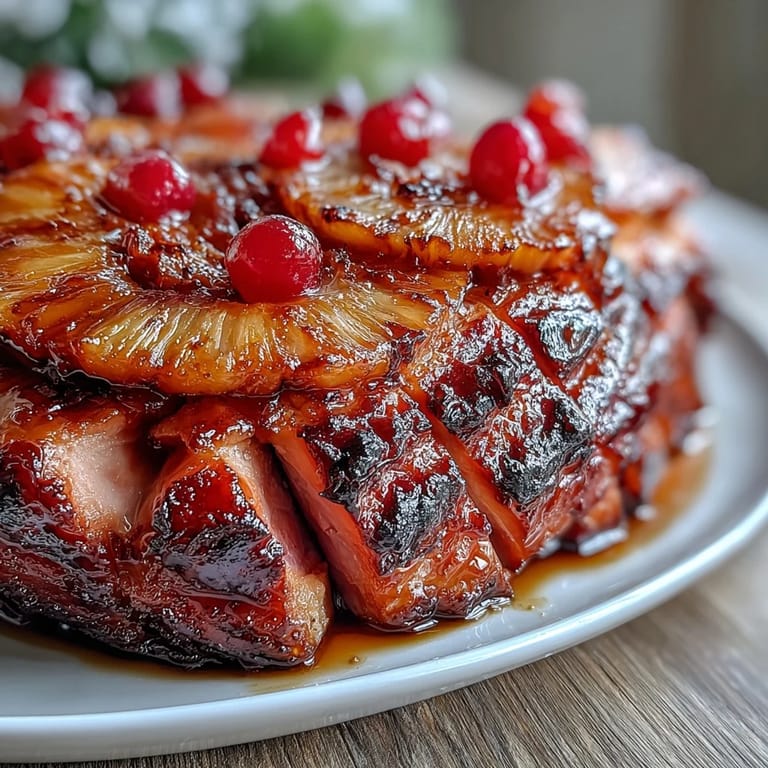
 There was a moment on a rainy Easter morning when slicing into this ham felt almost ceremonial—everyone gathered close, plates out, not caring about the drizzle outside. The kitchen windows steamed up as I carved each piece, and laughter echoed off the walls. The pineapple rings slid off so easily, and those sticky pan juices disappeared fast as everyone mopped them up with bread. That day, the ham was more than just food—it felt like a festive anchor holding everyone together. Even the leftovers seemed special, disappearing in sandwiches and late-night snacks.
How to Get the Best Glaze
Making the glaze is all about balance: let it simmer until just thick, but stop before it turns tacky. If you taste as you go, you'll quickly spot whether you need a splash more vinegar or mustard for punch. Butter makes the whole thing silky, wrapping the ham in flavor as it bakes. Scrape the bottom of the pan so caramelized bits work their way into each basting round, and keep the heat gentle so you don’t scorch the sugar. The moment the glaze starts to coat the back of your spoon in a glossy layer, it's ready for action.
Easy Ways to Customize
If you’re feeling adventurous, try adding a hint of fresh ginger or orange zest to the glaze for a fresher twist. You can swap maraschino cherries for tart dried apricots, or skip fruit altogether if you like that classic sticky finish. For spice lovers, a touch of chili flakes gives a subtle kick—just sprinkle lightly so the sweet flavors shine through. Leftover glaze also makes a brilliant drizzle for roasted veggies or sandwiches. Sometimes just playing with the garnish turns the whole dish into a new tradition.
Troubleshooting & Time Savers
I’ve learned that lining the roasting pan with foil makes cleanup a breeze, especially when the glaze drips and caramelizes. Using a meat thermometer prevents overcooking—ham is forgiving, but dries out quickly if you go past 140°F. Prepping the glaze while the oven heats keeps things moving, and scoring the ham ahead lets the flavors seep in faster.
- If your glaze thickens too much, whisk in a few spoonfuls of pineapple juice to loosen it.
- Slicing the ham thin lets the flavors soak into every bite.
- Don’t forget to remove the toothpicks before serving—hidden surprises aren’t always fun at the table.
 Pin this
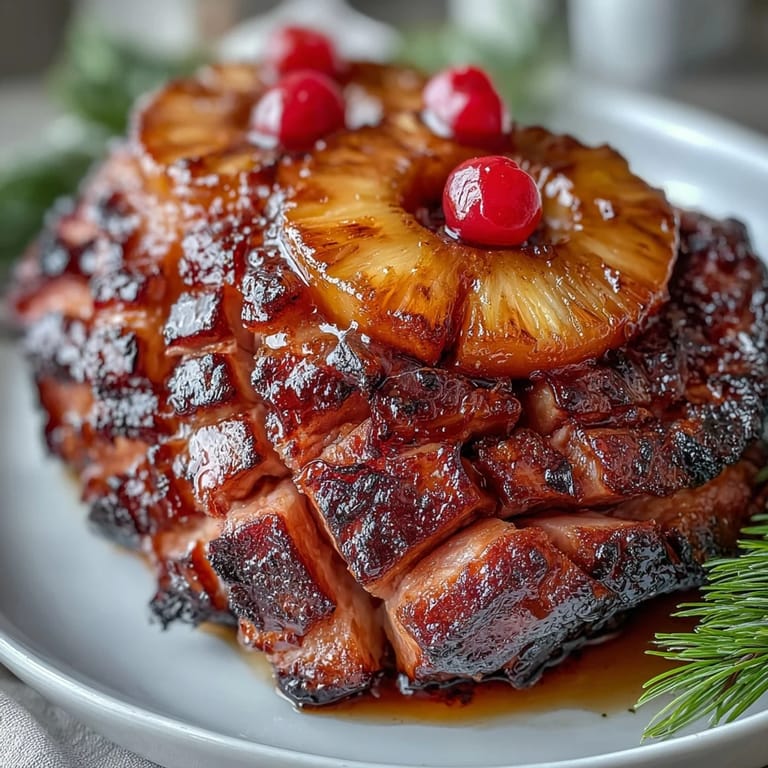
 This ham takes center stage so easily—each time I carve into it, I’m reminded that simple details turn a meal into a celebration. Hope you find as much joy in the sticky fingers and cheerful slices as we always do.
Recipe FAQs
- → How do I keep ham moist during baking?
Bake the ham covered with foil initially and baste regularly with the honey glaze to lock in moisture.
- → Can I use fresh pineapple instead of canned?
Yes, fresh pineapple can be sliced and used for garnish and added flavor in place of canned.
- → What is the internal temperature for fully cooked ham?
Bake until the ham reaches an internal temperature of 140°F (60°C) for safe and juicy results.
- → How should leftovers be stored?
Cool completely, store slices in airtight containers, and refrigerate for up to four days.
- → What can I serve alongside this ham?
Scalloped potatoes or spring vegetables create a balanced, festive meal to accompany the ham.
- → Are there allergen concerns?
Major allergens are absent, but check mustard and cherry labels if sensitive to additives or gluten.