 Pin this
 The first time I made this soup, it was snowing outside and I had a bag of parsnips that needed using. Something magical happens when you roast them first that gentle sweetness comes out completely different from boiling.
My sister visited last winter and literally asked if there was honey in this soup. That caramelized depth from roasting makes people think youre hiding something, when really its just patience and heat.
Ingredients
- 800 g parsnips, peeled and cut into 2 cm chunks: Roasting first is nonnegotiable, it creates the sweetness that makes this soup sing
- 1 medium onion, diced: Yellow onions work beautifully here, they mellow into the background
- 2 garlic cloves, minced: Add these after the onions have softened so they dont burn
- 1 medium potato, peeled and diced: The secret to velvety texture without adding extra cream
- 1 celery stalk, sliced: Provides a subtle aromatic base note
- 2 tbsp olive oil: One for roasting, one for sautéing the aromatics
- 1 L vegetable stock: Use a good quality one, it makes up half the flavor profile
- 1 tsp sea salt: Adjust after blending, flavors concentrate as soup reduces
- ½ tsp freshly ground black pepper: Freshly ground makes a noticeable difference
- 100 ml double cream or crème fraîche: Completely optional but adds that restaurant quality finish
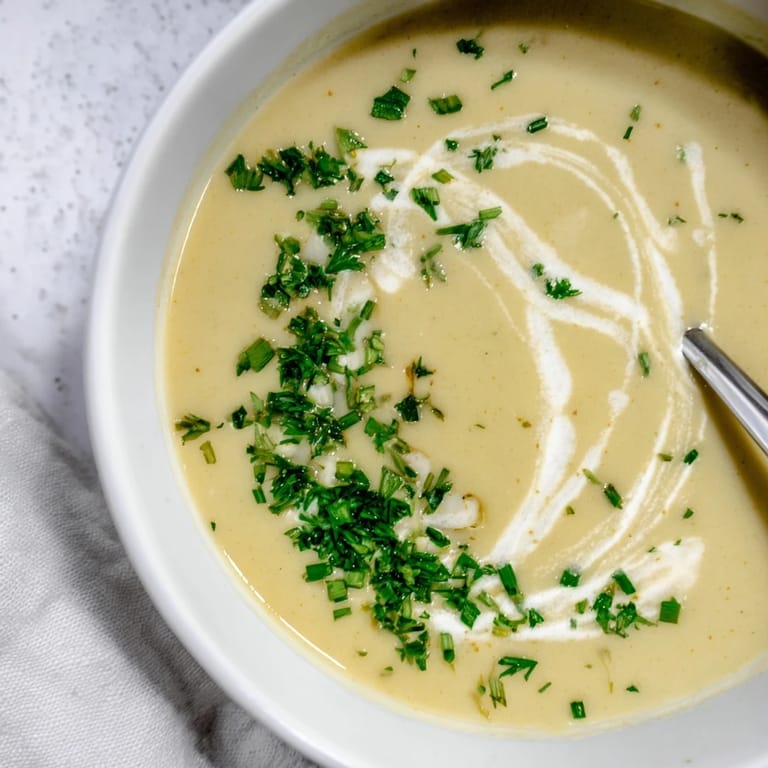
- 2 tbsp chopped fresh parsley: Add this at the end for bright green contrast against the cream
- 1 tbsp chopped fresh chives: Their mild onion flavor bridges everything together
- 1 tbsp chopped fresh dill: Optional, but lovely if you enjoy its anise notes
- 1 tbsp chopped fresh tarragon: Totally optional, use if you like its slight licorice warmth
Tired of Takeout? 🥡
Get 10 meals you can make faster than delivery arrives. Seriously.
One email. No spam. Unsubscribe anytime.
Instructions
- Roast the parsnips:
- Preheat your oven to 200°C. Toss those parsnip chunks with 1 tablespoon olive oil and a pinch of salt, then spread them on a baking tray. Let them roast for 25 to 30 minutes, turning once halfway through, until theyre golden and tender when pierced with a fork.
- Build the aromatic base:
- While parsnips roast, heat the remaining olive oil in a large saucepan over medium heat. Add onion, garlic, celery, and potato, sautéing for 5 to 7 minutes until softened but not browned.
- Simmer everything together:
- Add those beautifully roasted parsnips to the pot. Pour in the vegetable stock, bring it all to a boil, then reduce heat and let it simmer gently for 10 to 15 minutes until every vegetable is completely soft.
- Blend until silky:
- Remove the pan from heat and blend using a stick blender right in the pot, or work in batches with a countertop blender. Take your time here, keep blending until its absolutely silky smooth.
- Finish with cream and herbs:
- Stir in the cream or crème fraîche if using, then season with salt and pepper to taste. Reheat gently if needed, then ladle into bowls and finish with that generous sprinkle of fresh herbs.
 Pin this
 This became my go-to sick day soup after nursing my partner through a terrible flu. Something about the warmth and gentle flavor feels like being hugged from the inside.
Making It Your Own
Swap the herbs for whatever catches your eye at the market. Ive used coriander for a completely different direction and thyme works beautifully if you want something woodier.
Make Ahead Magic
This soup actually improves overnight, flavors meld and deepen. Make it the day before, store it in the fridge, and gently reheat when ready to serve.
Serving Suggestions
A hunk of crusty sourdough for dipping is mandatory. I also love toasted pumpkin seeds scattered on top for crunch that contrasts with the smoothness.
- A drizzle of good olive oil right before serving adds luxury
- Freshly grated nutmeg on top is surprisingly good
- Crispy pancetta crumbles turn it into a meal
 Pin this
 Theres something so honest about a soup that relies on simple vegetables treated with respect. This is the kind of cooking that feels like coming home.
Recipe FAQs
- → Can I make this parsnip soup ahead of time?
Yes, this soup keeps beautifully for up to 3 days in the refrigerator. The flavors actually develop and deepen overnight. Reheat gently over low heat, stirring occasionally, and add fresh herbs just before serving for the brightest flavor.
- → What herbs work best with parsnips?
Parsley and chives form the classic foundation, offering fresh onion notes and bright green flavor. Dill adds a wonderful aromatic quality that complements the sweetness, while tarragon brings subtle anise undertones. Feel free to use whatever fresh herbs you have on hand—thyme, rosemary, or sage all work wonderfully.
- → Do I have to roast the parsnips first?
Roasting isn't strictly necessary, but it significantly enhances the flavor. The dry heat caramelizes the natural sugars in parsnips, creating deeper, sweeter notes that you won't get from boiling alone. If you're pressed for time, you can simmer everything together, but the roasted version is worth the extra step.
- → Can I freeze parsnip soup?
This soup freezes exceptionally well for up to 3 months. Cool completely before transferring to airtight containers, leaving some space for expansion. Thaw overnight in the refrigerator and reheat gently. Note that if you've added cream, the texture may change slightly upon freezing—consider adding cream after reheating for best results.
- → What can I serve with parsnip soup?
Crusty bread or toasted sourdough makes an excellent accompaniment for dipping. A side salad with sharp vinaigrette cuts through the richness. For heartier fare, pair with a grilled cheese sandwich featuring aged cheddar. Toasted pumpkin seeds or crushed walnuts sprinkled on top add delightful crunch and nutty flavor.
- → How do I get the smoothest texture?
Ensure all vegetables are completely tender before blending—overcooking slightly is better than undercooking. A high-powered blender creates the silkiest results, but a stick blender works well too. For absolute smoothness, pass the blended soup through a fine-mesh sieve, though most people find the texture perfect straight from the blender.