 Pin this
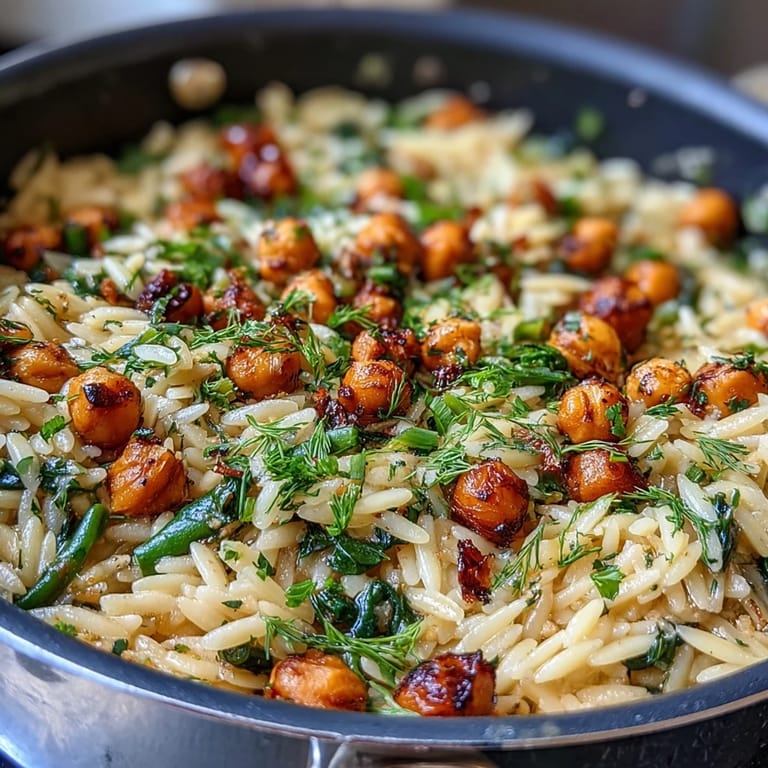
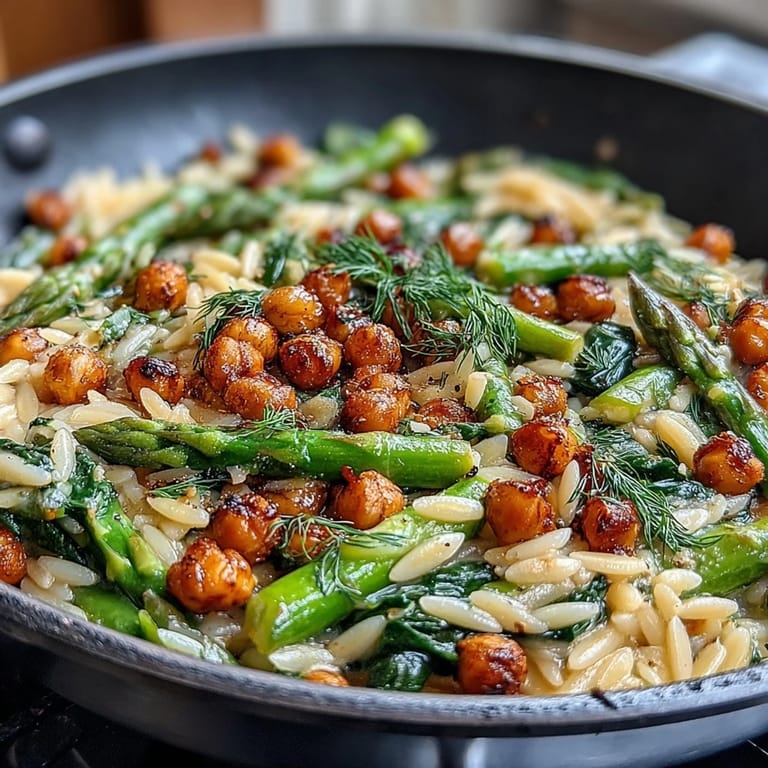
 There's something about the smell of lemon zest hitting hot olive oil that makes you feel like you're cooking something special, even on a Tuesday night when you're just trying to get dinner on the table. This one-pot lemon herb orzo landed in my kitchen during that awkward spring week when you can't decide if you want soup or salad, and it turned out to be exactly what I didn't know I was craving. The whole thing comes together in one pan, the orzo soaks up all the broth while the vegetables soften around it, and suddenly you've got something that tastes bright and effortless but also somehow feels substantial. It's become my go-to when I want to cook something that makes people pause mid-bite and ask for the recipe.
I made this for a friend who'd been working through a rough week, and she showed up expecting something comforting but ended up getting something that felt almost cheerful. Watching her eat it while sitting on my kitchen counter, talking about how the dill and lemon reminded her of a trip she wanted to take, I realized that food like this does something quiet but real. It doesn't need to be complicated to matter.
Ingredients
- 1 cup dry orzo pasta: This rice-shaped pasta absorbs the broth beautifully and cooks right in the pan, which is the whole genius of this dish.
- 1 can chickpeas, drained and rinsed: They give you protein without any fuss, and they soften slightly during cooking to blend into the texture rather than staying firm and separate.
- 1 cup asparagus, cut into 1-inch pieces: Asparagus cooks fast and stays slightly tender if you don't overdo it, which is exactly what you want here.
- 1 cup sugar snap peas, halved: These add a sweet crunch and a pop of color that makes the whole bowl feel intentional.
- 1 cup diced zucchini: Zucchini breaks down slightly and releases its moisture into the broth, which actually helps flavor the pasta.
- 1 cup baby spinach: Add it at the very end so it wilts just enough without turning into a dark, bitter shadow of itself.
- 1 small yellow onion, finely chopped: The foundation of everything—it softens first and flavors the oil before anything else goes in.
- 2 cloves minced garlic: Mince it fine so it distributes throughout rather than leaving you with little chunks of raw garlic heat.
- 3 cups vegetable broth: Low-sodium matters here because the broth concentrates as it reduces, and you need to be able to taste and adjust at the end.
- 2 tbsp olive oil: Good olive oil, nothing fancy, but don't use the smoke-point robbing extra virgin if you're sensitive to burnt herb flavors.
- Juice and zest of 1 large lemon: The zest goes in during cooking to infuse the whole pot, and the juice comes in at the end for brightness.
- 1/4 cup fresh parsley and 2 tbsp fresh dill: Fresh herbs are where this stops being a weeknight pasta and becomes something you'd actually want to eat.
- 1 tsp dried oregano, 1/2 tsp salt, 1/4 tsp black pepper, and a pinch of red pepper flakes: These are measured, but taste the pot before you finish—your palate knows better than any recipe.
Tired of Takeout? 🥡
Get 10 meals you can make faster than delivery arrives. Seriously.
One email. No spam. Unsubscribe anytime.
Instructions
- Heat the oil and soften the onion:
- Warm your oil in a large, deep skillet over medium heat until it moves easily around the bottom and you can smell it warming up. Add your chopped onion and let it sit for a minute before stirring—you want it to start softening and turning translucent rather than browning hard.
- Add the firmer vegetables:
- Once the onion looks soft and golden at the edges, stir in your garlic, zucchini, asparagus, and sugar snap peas and let them cook for a few minutes while you stir occasionally. You're not trying to cook them through; you just want them to start releasing their flavors into the oil and getting slightly tender.
- Toast the orzo briefly:
- Push the vegetables to the side if they're piling up and add your dry orzo to the pan, stirring constantly for about a minute. This step sounds small, but it changes everything—the pasta develops a slightly nutty flavor before the liquid hits it.
- Build the broth base:
- Pour in your vegetable broth along with the drained chickpeas, oregano, salt, pepper, and red pepper flakes if you're using them. Stir everything together until the orzo isn't clumping, then let it come up to a gentle boil—you'll see the surface rippling.
- Simmer until the pasta is tender:
- Turn the heat down to medium-low, cover the pot, and let it cook for about 8 to 10 minutes, stirring occasionally so nothing sticks to the bottom. The orzo will gradually absorb the broth and turn tender, and you'll notice the kitchen starting to smell like a Mediterranean coast town.
- Finish with the fresh elements:
- Once the orzo is soft and most of the liquid is gone, uncover and stir in your spinach, lemon juice, and lemon zest. The spinach wilts almost instantly, turning dark and silky.
- Season and serve:
- Remove from heat and stir in your fresh parsley and dill, then taste everything and add more salt or pepper if it needs it. The lemon should be the bright note that makes you want another spoonful.
 Pin this
 The first time I made this, I got distracted answering emails and came back to find the bottom had caught slightly, but instead of throwing it out, I just scraped what I could and tasted it anyway. My friend didn't even notice, which taught me that perfection is way less important than generosity, and that sometimes your mistakes become stories instead of disasters.
Why Spring Vegetables Matter
Spring vegetables aren't just a seasonal thing—they actually have a different water content than their summer or fall counterparts, which means they release moisture more gently into the broth and don't overwhelm the delicate lemon flavor. If you're making this in winter or late fall, you can absolutely use what you have, but the texture will be slightly different because harder vegetables take longer to soften and release their water more aggressively.
The Magic of Pasta in Broth
Cooking pasta directly in broth instead of in salted water is something that seems wrong until you taste it, and then you wonder why you ever boiled pasta separately. The pasta absorbs all the flavor as it cooks instead of cooking in blank water and then getting tossed with other ingredients, which means every bite already tastes finished and intentional.
Ways to Make It Your Own
This recipe is flexible in ways that matter, so you don't need to stress about substitutions—in fact, the best version of this dish is probably the one where you use whatever vegetables you actually like and whatever herbs you have on hand. The structure stays the same whether you use green beans instead of asparagus or basil instead of dill, and the lemon holds everything together no matter what you change.
- Stir in a spoonful of Greek yogurt or vegan yogurt right before serving if you want the whole thing to taste slightly creamier and richer.
- Add a handful of shelled edamame or extra chickpeas if you want more protein or if you're feeding someone with a bigger appetite.
- Use gluten-free orzo if you need to, and it'll work exactly the same way as long as it's the same shape and size.
 Pin this
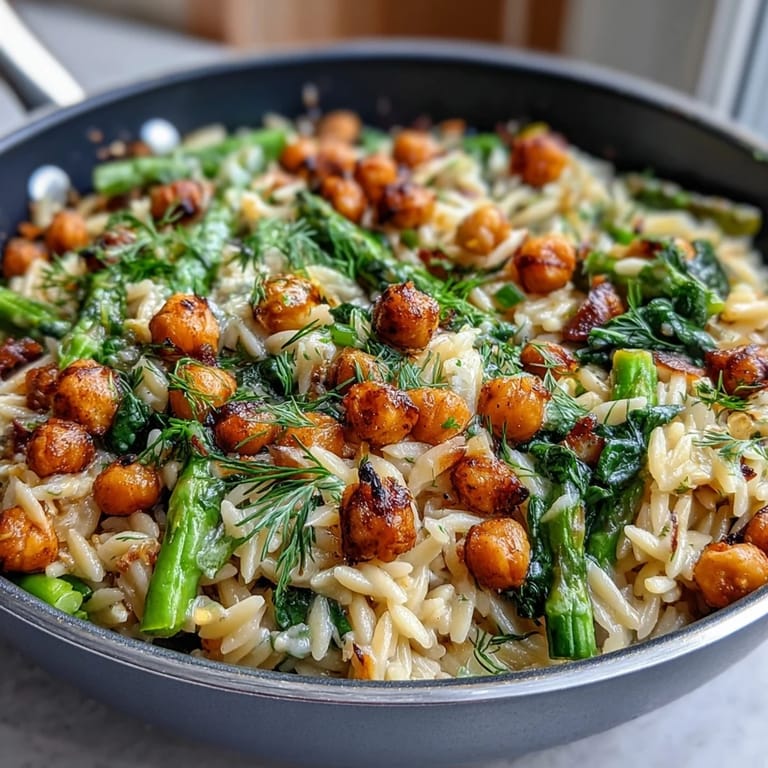
 This is the kind of dinner that proves you don't need complicated techniques or a long list of equipment to make something you'll actually want to eat again. It's just a pot, some vegetables, and the willingness to let one pan do all the work.
Recipe FAQs
- → Can I substitute the orzo pasta?
Yes, gluten-free orzo or small pasta shapes like couscous or small shells work well to suit dietary needs.
- → How can I add more protein to this dish?
Increase the chickpeas or add shelled edamame for a vegan protein boost without changing the flavors much.
- → What spring vegetables can I use as alternatives?
Green beans, peas, or broccoli can be used instead of or alongside asparagus, snap peas, or zucchini.
- → How do I get a creamier texture?
Stir in a spoonful of Greek or vegan yogurt just before serving for a silky finish.
- → What herbs complement the lemon and orzo flavors?
Fresh parsley, dill, and oregano enhance the citrus notes and add aromatic depth to the dish.