 Pin this
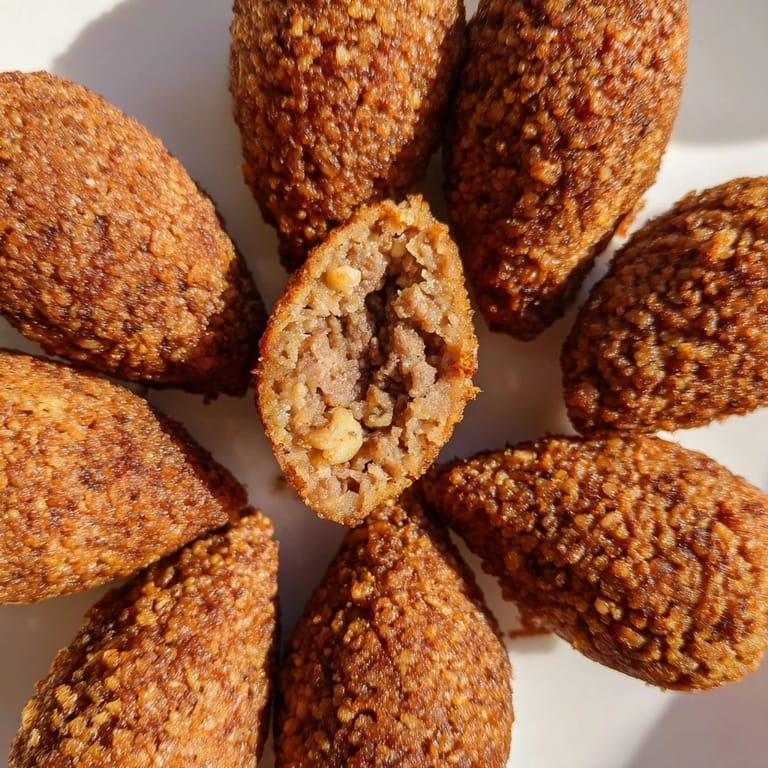
 My first taste of kibbeh wasn't at a restaurant—it was in a cramped kitchen in Beirut, watching my neighbor's mother work with her hands like she was sculpting something precious. The way she formed each piece with such speed and grace made it look effortless, though I later learned it takes practice to get that perfect torpedo shape. What struck me most wasn't just the crispy golden exterior or the warm spiced meat hidden inside, but how she served them still warm, with a generous dollop of garlicky yogurt and a knowing smile. Now whenever I make kibbeh at home, I'm transported back to that moment—the sound of oil crackling, the aroma of allspice and cinnamon filling the air, and the sense that I'm keeping something alive.
I'll never forget the time I made kibbeh for my book club and someone asked if I'd catered it—the compliment felt even better because I'd done it with my own two hands. That moment taught me that feeding people well isn't about pretentious cooking; it's about care, and this dish is the perfect vehicle for both.
Ingredients
- Fine bulgur wheat: This is the backbone of your kibbeh dough, and rinsing it properly makes all the difference—it should be tender but not mushy.
- Ground beef or lamb: Lean meat works best so the mixture doesn't become greasy; ask your butcher to grind it fine for better texture.
- Onion: Keep it finely chopped and raw when going into the dough for a sharp bite that balances the warm spices.
- Allspice: This is the soul of kibbeh—that warm, slightly sweet note that makes people pause and ask what the secret ingredient is.
- Cinnamon: Just enough to whisper in the background without overwhelming; it's what separates good kibbeh from forgettable versions.
- Pine nuts: They transform the filling with a buttery richness and golden crunch that people genuinely dream about.
- Cold water: Add it gradually while kneading—the dough should feel like soft clay, not wet or crumbly.
- Vegetable oil for frying: Keep it at the right temperature or you'll end up with greasy results instead of that coveted crispy shell.
Tired of Takeout? 🥡
Get 10 meals you can make faster than delivery arrives. Seriously.
One email. No spam. Unsubscribe anytime.
Instructions
- Start with the foundation:
- Rinse the bulgur under cold water until the water runs clear, then let it sit for 10 minutes—this hydration step is non-negotiable if you want a cohesive dough instead of something that falls apart in your hands.
- Build your base:
- Combine the softened bulgur with ground meat, chopped onion, and all those warming spices in a large bowl. Knead it like bread dough, adding cold water a tablespoon at a time until it becomes smooth and holds together like soft clay, then refrigerate it while you focus on the filling.
- Create the golden filling:
- Heat olive oil in a skillet and cook your onions until they're translucent and soft, then add the ground meat and break it up as it browns—this takes about 5 minutes total. Stir in the pine nuts, allspice, cinnamon, salt, and pepper, and cook for another few minutes until the pine nuts start to turn golden and everything smells absolutely incredible.
- Form each piece with intention:
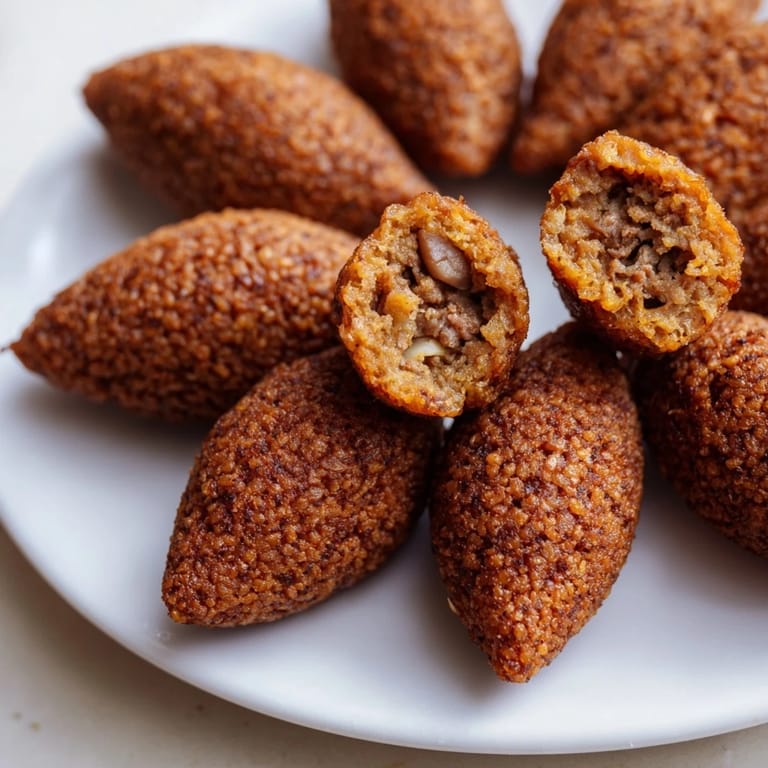
- Wet your hands with cold water so the dough doesn't stick, take a piece about the size of a golf ball, flatten it in your palm into a thin oval, and place 1–2 teaspoons of filling in the center. Pinch and seal the edges, then gently shape it into a torpedo or football shape—this is where patience matters more than perfection.
- Choose your path:
- For frying, heat vegetable oil to 180°C and work in batches so you don't crowd the pan, cooking each kibbeh for 4–5 minutes until the exterior is deep golden brown. For baking, brush them with olive oil and bake at 200°C for 25–30 minutes, turning halfway through, until they're crisp and golden.
 Pin this
 There's something profound about the moment when everyone at your table goes quiet because they're too busy eating, and the only sound is the occasional satisfied sigh. That's when kibbeh stops being just food and becomes a memory in the making.
The Right Spice Balance
I spent years thinking I was bad at cooking until I realized the difference between good kibbeh and great kibbeh usually comes down to how seriously you take the spices. Allspice and cinnamon aren't afterthoughts here—they're the flavor backbone, and even a tiny adjustment can shift the entire personality of the dish. Taste your filling as you cook it and adjust seasoning before assembly, because once everything is formed, you can't taste as you go. The filling should feel warm and comforting on your tongue, like the spices are layering on top of each other instead of fighting for attention.
Frying Versus Baking
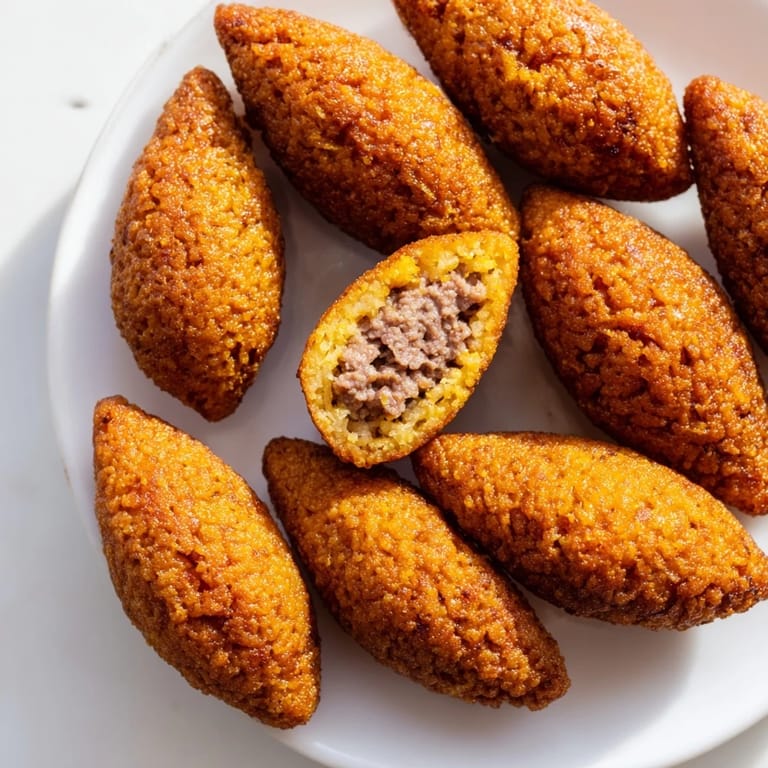
When I'm short on time or wanting something lighter, I bake them, but I'll be honest—there's an irreplaceable quality to the fried version that comes from the way hot oil creates that shattering, golden crust. The choice really depends on your mood and what your kitchen can handle that day. Fried kibbeh is showier, more indulgent, and feels special; baked kibbeh is elegant, cleaner, and still absolutely delicious. Either way, you're getting that contrast between the crispy exterior and the spiced, juicy interior that makes this dish so craveable.
Serving and Storage
These are best served warm, straight from the oil or oven, with garlicky yogurt sauce and a fresh salad on the side—the cool tanginess cuts right through the richness.
- You can freeze the formed kibbeh on a baking sheet before cooking and keep them for up to three months; just add a few extra minutes to the cooking time when you cook from frozen.
- Leftover cooked kibbeh can be reheated gently in a 160°C oven for about 10 minutes to restore some of that crispness.
- A vegetarian version swapping the meat filling for cooked lentils and sautéed mushrooms seasoned with the same spices is genuinely compelling if you're cooking for mixed diets.
 Pin this
 Once you've made kibbeh a few times, it stops feeling like a technique and starts feeling like second nature—like you're just putting together something delicious without thinking too hard about it. That's when you know you've really got it.
Recipe FAQs
- → What type of meat is used in this dish?
Lean ground beef or lamb is traditionally used to balance flavor and texture.
- → Can the bulgur wheat be substituted?
Fine bulgur is preferred for the dough's texture, but cracked wheat may be used with adjustments.
- → What cooking methods are suitable for this preparation?
The croquettes can be deep-fried for a crispy finish or baked with olive oil for a lighter option.
- → How are the pine nuts incorporated?
Pine nuts are toasted gently with the filling ingredients to add crunch and a nutty flavor.
- → Are there any common accompaniments served alongside?
Yogurt or tahini sauce and a fresh salad complement the warm, spiced croquettes excellently.