 Pin this
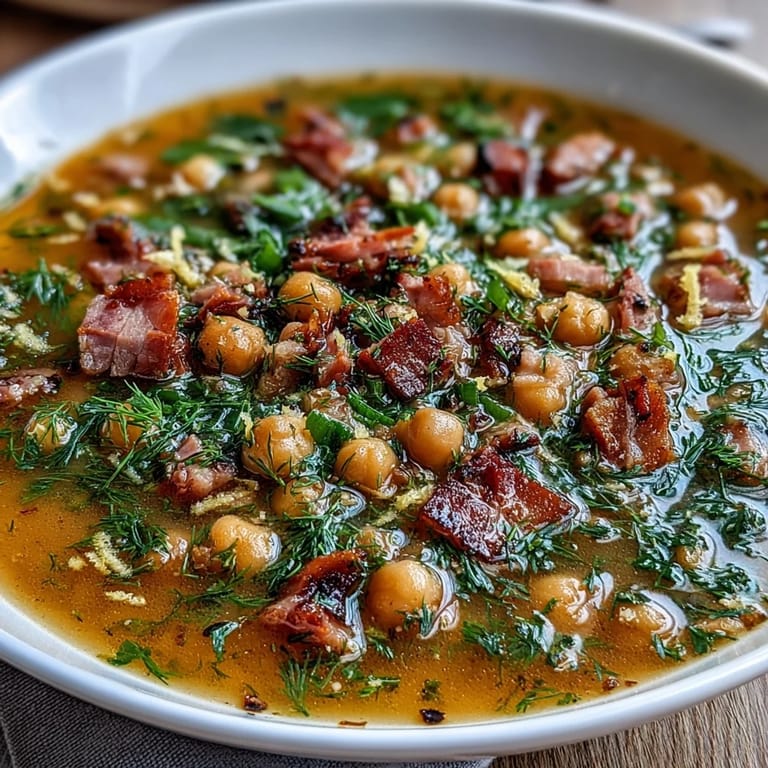
 My neighbor stopped by one afternoon with a ham bone from her Easter dinner, and I suddenly had that familiar kitchen puzzle on my hands: what to do with good meat that deserved better than the trash. I'd been craving something bright and warming, so I started chopping vegetables without much of a plan, and somehow this soup emerged from that happy accident. It turned out to be exactly the kind of dish that tastes like someone cared, even though it came together in less than an hour.
I made this for my sister during a rainy week when she needed comfort food and conversation, and she ended up staying for two bowls plus seconds of bread. Watching her face light up when that lemon hit her palate reminded me that the best recipes are the ones that do more than fill your stomach.
Ingredients
- Cooked ham, diced (250 g): Use quality ham if you can find it, because this is where most of your savory depth comes from; I learned the hard way that salty processed ham can overpower everything else, so taste as you go.
- Chickpeas, canned (1 can, 400 g): Drain and rinse them thoroughly to remove excess sodium and that slightly metallic taste that canned chickpeas can carry.
- Onion, medium: This is your flavor foundation, so take an extra moment to chop it finely so it melts into the broth rather than staying chunky.
- Carrots, diced (2 medium): Cut them smaller than you think you need to, so they soften properly during the simmer.
- Celery stalks, diced (2): Often forgotten in soups, but it adds a subtle earthiness that rounds everything out beautifully.
- Garlic cloves, minced (2): Fresh garlic makes all the difference; that moment when you stir it in and the pot smells like a proper kitchen is worth it alone.
- Chicken or vegetable broth (1.2 liters): Go low-sodium so you control the salt level and taste the actual ingredients shining through.
- Olive oil (2 tbsp): A good quality oil isn't just for finishing; it carries flavors forward from the very first sauté.
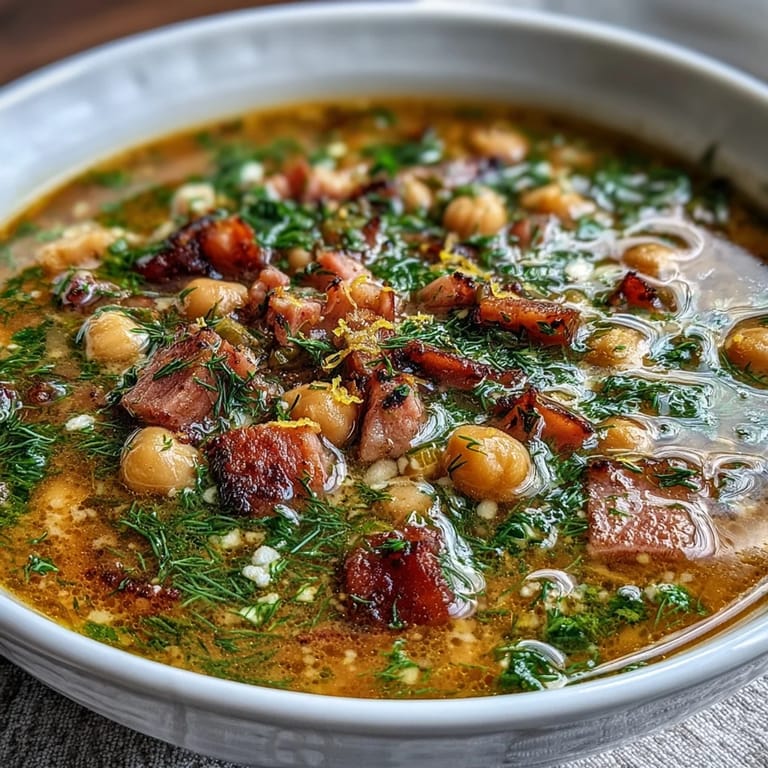
- Lemon juice and zest: This is your magic wand; the zest brings floral brightness while the juice adds punch without being sharp.
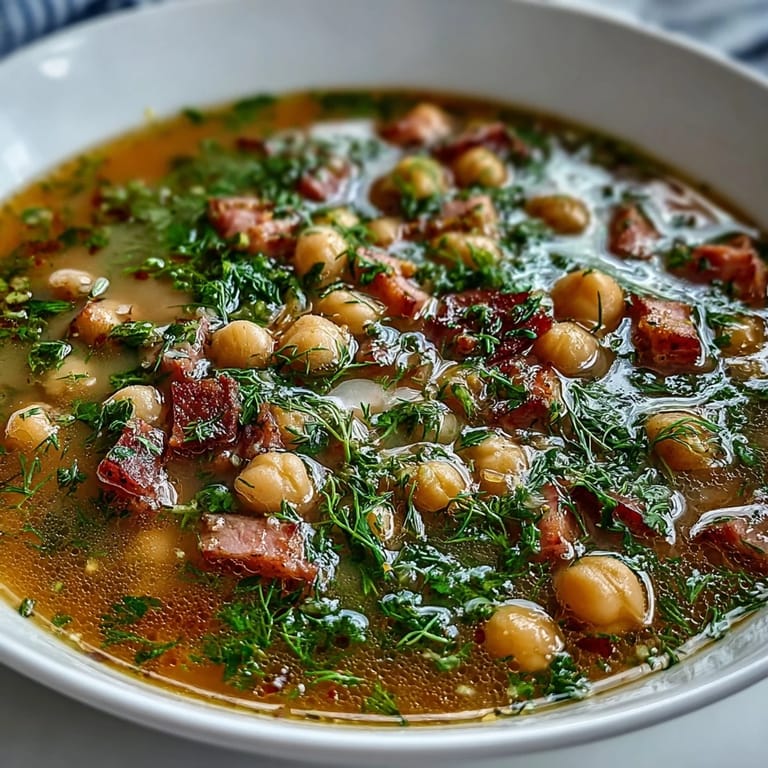
- Fresh dill, finely chopped (2 tbsp plus garnish): Fresh is non-negotiable here, as dried dill tastes like grass clippings in comparison.
- Bay leaf: Just one, because bay is subtle but essential for that layered herbaceous background.
- Dried thyme (1/2 tsp): A half teaspoon is enough to whisper Mediterranean warmth without overwhelming the bright lemon notes.
- Salt and freshly ground black pepper: Taste continuously and adjust at the end when all the flavors are fully developed.
Tired of Takeout? 🥡
Get 10 meals you can make faster than delivery arrives. Seriously.
One email. No spam. Unsubscribe anytime.
Instructions
- Start your flavor foundation:
- Heat the olive oil in your soup pot over medium heat, then add the onion, carrots, and celery. Sauté for five to six minutes until they're soft and translucent, letting the pot fill with that golden vegetable aroma.
- Build the aromatics:
- Stir in the minced garlic and cook for about a minute until it becomes fragrant; this quick step makes a huge difference in the final taste, so don't skip or rush it.
- Introduce the ham:
- Add your diced ham and stir occasionally for two to three minutes, letting it warm through and release its savory notes into the oil.
- Create your broth base:
- Pour in your broth and add the drained chickpeas, bay leaf, and thyme, then bring everything to a boil before reducing the heat to simmer for twenty minutes. This long, gentle cooking lets the flavors marry together beautifully.
- Add brightness and finish:
- Remove the bay leaf, then stir in the lemon juice, lemon zest, and fresh dill. Taste and season with salt and pepper, then let it simmer for another two to three minutes so the herbs can really settle in.
- Serve with intention:
- Ladle the soup into bowls, top with a small handful of extra fresh dill, and serve while it's steaming hot.
 Pin this
 My friend returned my borrowed tupperware weeks later saying she'd made the soup five times already, and that's when I realized this recipe had shifted from something I made once to something that became part of our kitchen language. That's the mark of a truly good soup.
The Secret Behind the Brightness
There's a technique I discovered by accident: adding both lemon juice and lemon zest at the same moment creates two different flavor experiences happening at once. The juice cuts through the richness while the zest brings a floral, almost perfumed quality that makes people ask what that subtle something is. I once tried adding the juice earlier in the cooking process and it flattened out completely, so timing really matters here.
Making It Your Own
This soup responds beautifully to substitutions and personal tweaks. I've made it with smoked turkey when ham wasn't available, added extra vegetables like spinach at the very end, and even experimented with a splash of white wine in place of some broth for a richer undertone. The framework stays solid while the details bend to whatever you have on hand or whatever you're craving.
Serving and Storage
Serve this soup hot with crusty bread for dunking, though it's equally satisfying on its own. It keeps beautifully in the refrigerator for up to four days, and the flavors actually deepen as it sits, making it perfect for meal prep or unexpected guests.
- Store it in an airtight container and reheat gently on the stovetop with a splash of extra broth if needed.
- You can freeze it for up to two months, though the fresh dill flavor fades a bit, so consider adding fresh dill again when reheating.
- The lemon brightness stays strongest when you serve it within the first couple of days, so plan accordingly if you're making it ahead.
 Pin this
 This soup has become my go-to when I want something that feels fancy without any pretense, something that makes a regular Tuesday night feel a little bit special. I hope it does the same for you.
Recipe FAQs
- → Can I substitute ham with other proteins?
Yes, smoked turkey or cooked chicken can be used as alternatives to ham, or omit meat for a vegetarian option using vegetable broth.
- → How can I thicken the soup?
Mash a portion of the chickpeas with a fork before adding them to the pot to create a thicker consistency.
- → What herbs complement this soup's flavors?
Fresh dill, bay leaf, and thyme enhance the soup’s bright and savory profile, balancing the richness of ham and chickpeas.
- → Is it better to use fresh or dried herbs?
Fresh dill is best for finishing and garnishing, while dried thyme and bay leaf are ideal during simmering to infuse the broth.
- → What sides pair well with this soup?
Crusty bread and a crisp white wine like Sauvignon Blanc complement the soup’s flavors and make a complete meal.