 Pin this
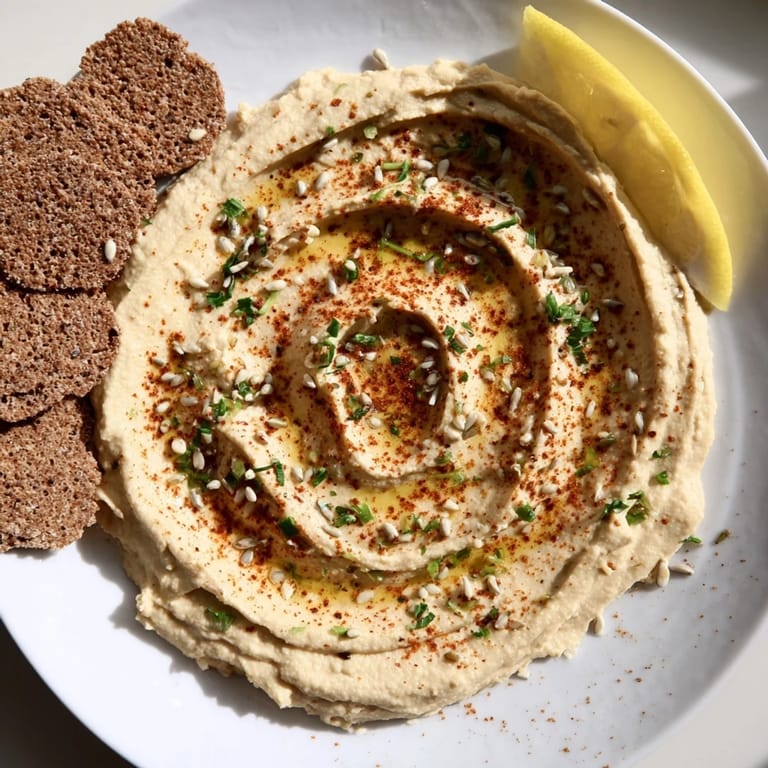
 The first time I arranged hummus on a platter like an actual landscape, my guests stopped mid-conversation to stare. It wasn't fancy plating or restaurant technique—just hummus, crackers standing at odd angles, and the sudden realization that food could tell a story. That moment sparked something. Now whenever I want to impress without the stress, I think of canyons and layers, of the satisfaction on people's faces when they realize they can eat the walls.
I made this for a friend's surprise dinner last fall, and watching people break off crackers to dip rather than just grab them felt like I'd unlocked some ancient appetizer secret. The textures worked in ways I hadn't expected—the soft spiced hummus against the crisp beige wall of a whole wheat cracker, each bite slightly different depending on where they pulled from. It became the thing people talked about on the drive home, not because it was complicated, but because it made them slow down and actually look at their food.
Ingredients
- Classic hummus: The foundation here—use 500g of your favorite, whether store-bought or homemade, because that's where the real flavor lives.
- Smoked paprika: Just 1 teaspoon transforms plain hummus into something with depth, adding a whisper of something you can't quite name.
- Extra-virgin olive oil: 1 tablespoon of good oil isn't just for nutrition; it catches the light and makes everything look intentional.
- Ground cumin: 1/2 teaspoon brings warmth and earthiness that keeps people coming back for another cracker.
- Cayenne pepper: Optional at 1/4 teaspoon, but it's the reason someone will ask for the recipe and mean it.
- Beige crackers: 200g of whole wheat, sesame, or water crackers—the color matters because it echoes the actual canyon you're building.
- Toasted sesame seeds: 2 tablespoons scattered on top like real sand, adding texture and a subtle nutty finish.
- Fresh parsley: 2 tablespoons chopped, bright and green against the warm tones, because even a hummus platter needs a little life.
- Lemon wedges: From 1 small lemon, essential for that squeeze of brightness that ties everything together.
Tired of Takeout? 🥡
Get 10 meals you can make faster than delivery arrives. Seriously.
One email. No spam. Unsubscribe anytime.
Instructions
- Season the hummus:
- In a bowl, fold the paprika, olive oil, cumin, and cayenne into the hummus until smooth and evenly colored. Taste it—this is where the whole dish gets its personality, so adjust the spices to what makes you happy.
- Create the canyon base:
- Spread a thin, wavy layer of hummus across your platter using a spatula or offset knife, letting the ridges and valleys form naturally. Don't overthink it; intentional-looking imperfection is the goal.
- Stand the walls:
- Position crackers upright in the hummus, tilted and overlapping slightly, following the waves you've created. They should look almost like they're leaning against each other, holding the canyon together.
- Build in layers:
- Spread another thin hummus layer, then add more crackers, repeating until you've got 3 to 4 distinct bands. Each layer deepens the landscape and gives people options about where to dive in.
- Finish with texture:
- Sprinkle the toasted sesame seeds and parsley across the top, focusing on the flat hummus surfaces so they catch the eye. This is your moment to make it shine.
- Serve with intention:
- Set lemon wedges nearby so people can squeeze brightness onto their crackers if they want. Serve right away while the hummus is still cool and the crackers are still snapping.
 Pin this
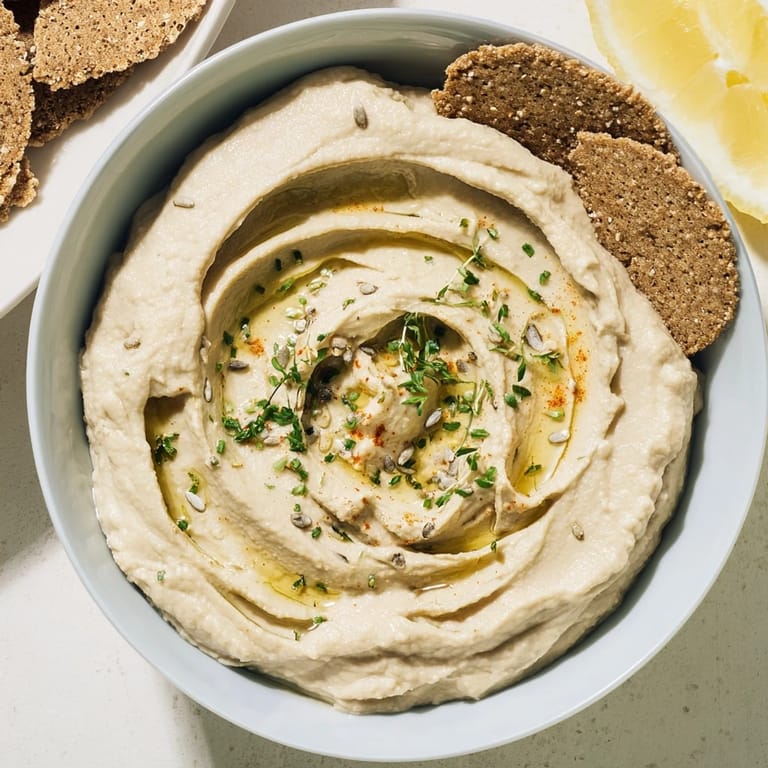
 The real magic happened when someone's kid asked if we could eat it while standing up, and suddenly everyone was crowding around, pulling crackers and laughing. It stopped being a fancy appetizer and became something communal, something that made people less formal and more connected. That's when I knew this dish had something beyond looks.
Why Texture Matters Here
The contrast between soft and crisp is what keeps you reaching back, even when you're full. The hummus alone would be pleasant but forgettable; the crackers alone are just snacking. Together, they're conversation. The sesame seeds add a subtle crunch that makes your brain pay attention, and the parsley keeps it from feeling heavy. It's a little lesson in how food works—sometimes the architecture is more important than the ingredients themselves.
Playing with Flavor
If you want to venture beyond the classic spice blend, roasted red pepper hummus or sun-dried tomato layers create a warmer, more complex landscape that tells a different story. I've also stirred in a touch of harissa before spreading a layer, which turns it into something with real backbone. The point is, once you understand the basic structure, you can bend it toward whatever flavors make you curious. Some days I keep it simple; other days I'm playing.
Serving and Storage Ideas
This is absolutely a make-it-fresh, serve-it-now kind of dish, though you can prep the hummus blend hours ahead and build the canyon moments before guests arrive. If you're thinking about pairing it with wine, a crisp white or even a light rosé honors the Mediterranean spirit without fighting the hummus. An iced herbal tea keeps it vegetarian-celebration-friendly and adds a cooling counterpoint to any spice you've layered in. If you want to stretch it or feed more people, roasted chickpeas scattered between the cracks and small diced cucumbers mixed into the top layer add crunch and make it feel more substantial without muddying the visual story.
 Pin this
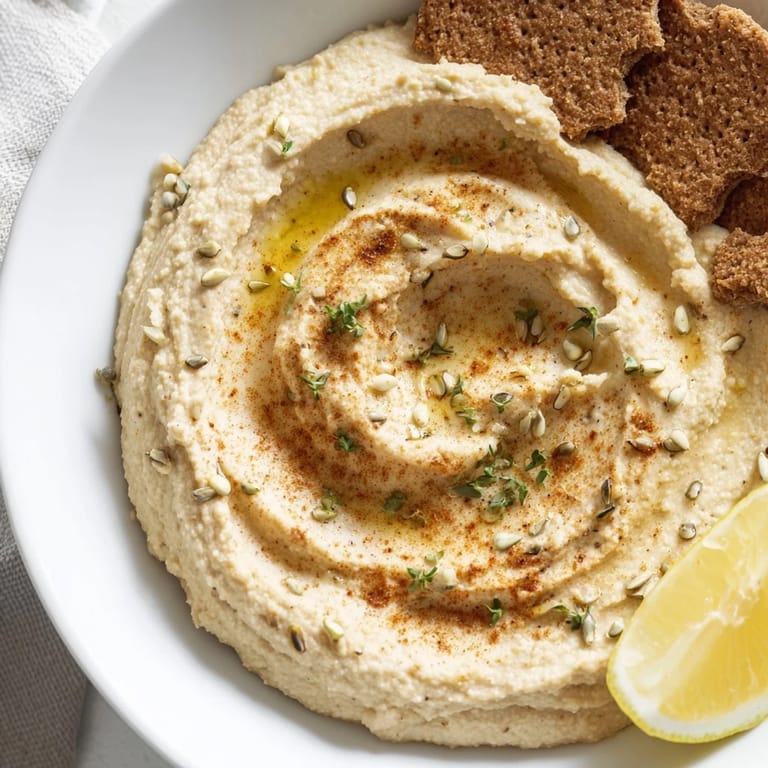
 This appetizer proves that the simplest moments often matter most—not because they're complicated, but because they bring people together without apology. Make it and see what happens.
Recipe FAQs
- → How do you create the canyon-like texture?
Spread hummus in wavy layers using a spatula, then insert crackers upright to build ridges and valleys that resemble sandstone formations.
- → Can I use store-bought hummus for this dish?
Yes, both store-bought and homemade hummus work well, but seasoning it with smoked paprika and cumin enhances the flavor.
- → What types of crackers are best?
Neutral beige crackers like whole wheat, sesame, or water crackers complement the hummus and add the desired texture and color.
- → Are there any recommended garnishes?
Toasted sesame seeds, fresh chopped parsley, and lemon wedges provide added texture, color, and a zesty finish.
- → Is this suitable for vegan diets?
Yes, using vegan-friendly crackers ensures the dish fits vegan preferences without sacrificing taste.