 Pin this
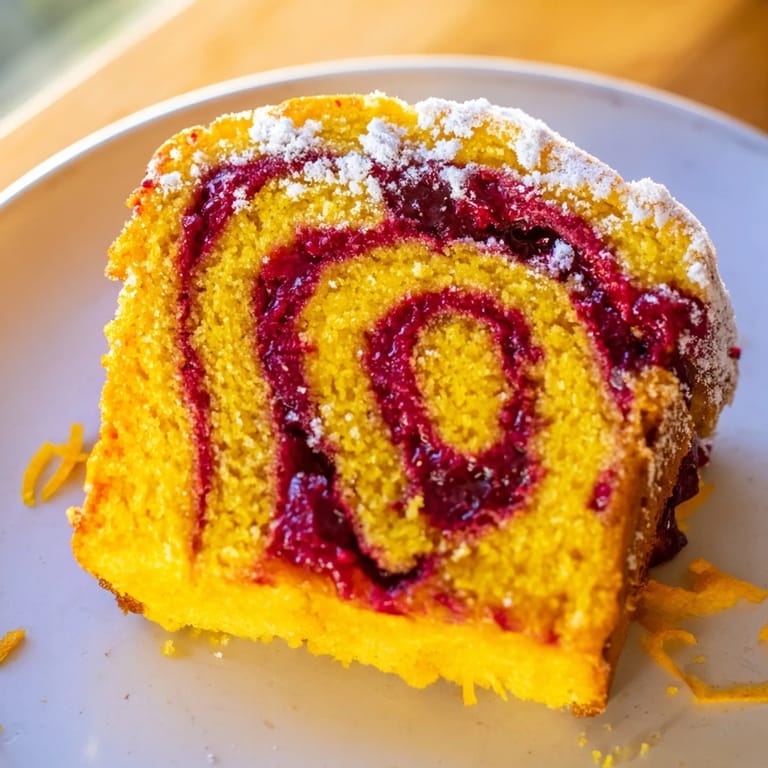
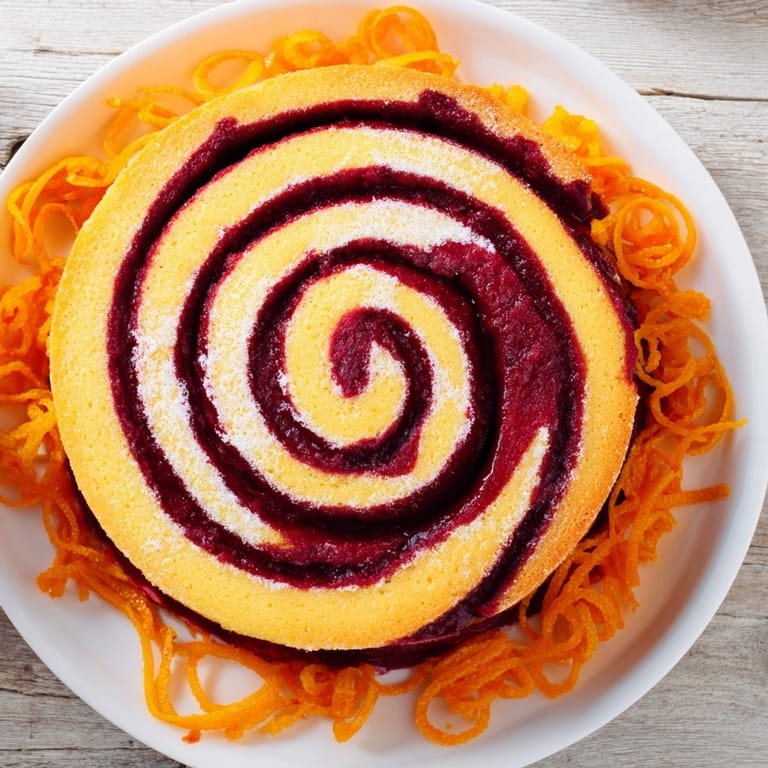
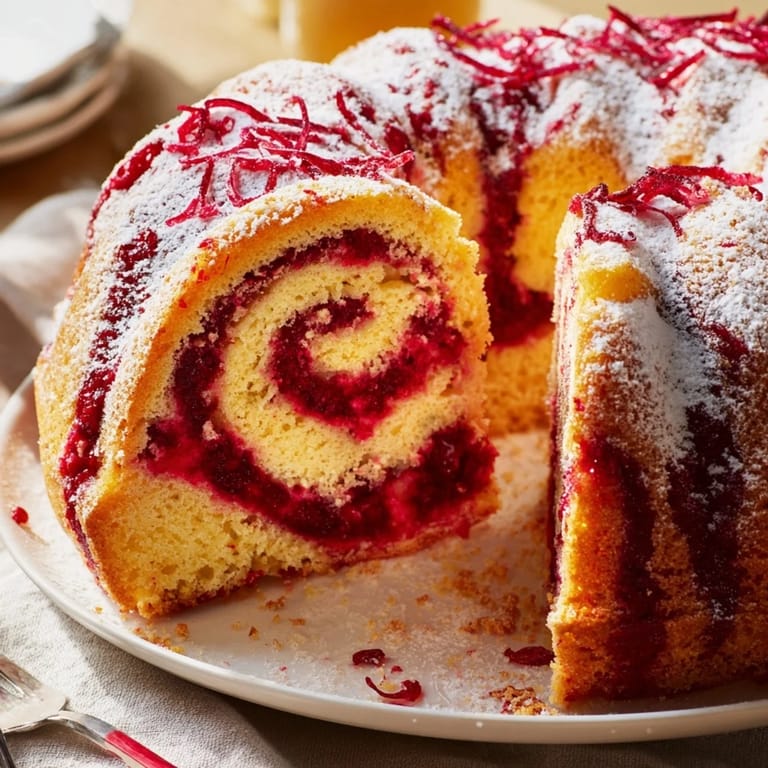
 I discovered this cake on a crisp November afternoon while browsing through an old cookbook my grandmother left behind. The moment I read about cranberry and orange swirled together, I was transported back to her kitchen during the holidays, where the smell of citrus and tart berries would dance through the air. That evening, I decided to recreate it, and the first time I pulled this beauty from the oven, with its ruby-red ribbons spiraling through golden cake, I knew it had become my new holiday tradition.
Last December, I brought this cake to our neighborhood cookie exchange, and I watched as people kept returning to try another slice. One neighbor asked for the recipe right then and there, saying it reminded her of morning walks through a citrus grove. That moment sealed it for me—this wasn't just a dessert, it was a memory maker.
Ingredients
- Fresh or frozen cranberries (1½ cups): These little tart gems are the soul of the swirl—they burst into a glossy compote that creates that signature jewel-toned ribbon. Fresh ones are wonderful, but frozen works just as well and honestly, sometimes even better because they've already broken down slightly.
- Granulated sugar (½ cup for swirl, ¾ cup for batter): Sugar isn't just sweetness here; it helps the cranberries release their juice and cook down into that perfect glossy consistency. The balance matters because you want tartness to shine through.
- Orange juice and zest (2 tbsp juice plus 1 tsp for swirl, ¼ cup juice plus 1 tbsp zest for batter): This is where the magic happens—fresh citrus brightens everything and prevents the cake from feeling too rich. I always use fresh-squeezed if I can because it makes a noticeable difference.
- All-purpose flour (1½ cups): The foundation of your cake. Make sure it's not packed down in the measuring cup; spoon it in gently.
- Baking powder (1 tsp) and baking soda (¼ tsp): These work together to give you a tender crumb that's light enough to balance the dense swirl without being airy and bland.
- Salt (¼ tsp): A tiny pinch that makes everything taste more like itself—never skip this.
- Unsalted butter (½ cup, softened): Softened butter creams beautifully with sugar, trapping air bubbles that make the cake tender. Take it out of the fridge about thirty minutes before you start.
- Eggs (2 large, room temperature): Cold eggs don't incorporate as smoothly, and you want a properly emulsified batter. Let them sit on the counter while you prep everything else.
- Sour cream (½ cup): This adds tang that echoes the cranberries and keeps the cake incredibly moist. The acid also reacts with the baking soda to help with leavening.
- Vanilla extract (1 tsp): A small amount that rounds out all the bright citrus notes without announcing itself.
- Powdered sugar and optional garnishes: A light dusting at the end feels like putting on the finishing touch of a beautiful gift.
Tired of Takeout? 🥡
Get 10 meals you can make faster than delivery arrives. Seriously.
One email. No spam. Unsubscribe anytime.
Instructions
- Get your mise en place ready:
- Preheat your oven to 350°F and grease a 9-inch round cake pan, then line the bottom with parchment paper. This simple step saves you from a stuck cake moment. As the oven warms, you'll start smelling that welcoming baking warmth.
- Cook down the cranberry jewels:
- In a small saucepan, combine your fresh cranberries with the sugar, orange juice, and zest. Turn the heat to medium and let them bubble gently. After about 8 to 10 minutes, you'll hear them start to pop and crackle—that's your signal they're releasing their gorgeous color and breaking down. Stir occasionally to help them along. Once they're soft and the mixture looks glossy and thick, remove from heat and let it cool for a few minutes. Then either blend it smooth or mash it by hand if you prefer a slightly textured swirl. Either way is perfectly right.
- Mix your dry ingredients:
- In a medium bowl, whisk together flour, baking powder, baking soda, and salt. Do this gently—whisking incorporates air, which is what you want. Set aside.
- Cream your butter and sugar:
- In a large bowl, beat your softened butter with the granulated sugar until the mixture looks pale and fluffy, about 2 to 3 minutes. You're essentially making tiny air pockets that'll make your cake tender. This step is worth taking your time with.
- Build your batter with care:
- Add your eggs one at a time, beating well after each addition so they emulsify properly. Then add the sour cream, orange juice, vanilla, and orange zest. Beat until everything is well combined and smooth. This is where your batter gets its personality.
- Bring it together gently:
- Add your dry ingredients to the wet mixture gradually, stirring just until combined. This is crucial—overmixing develops gluten, which makes the cake tough. You want it just barely incorporated, with maybe a streak or two of flour still visible.
- Create the swirl:
- Pour half of your cake batter into the prepared pan and smooth the top gently. Then drop spoonfuls of the cranberry mixture all over that layer—don't be shy, let it peek through. Add the remaining cake batter on top, then dollop the rest of the cranberry mixture across the surface. Now comes the fun part: take a skewer or the tip of a small knife and gently drag it through the layers, creating a spiral pattern. Don't overdo it or you'll lose your pretty swirl; just a few graceful movements are all you need.
- Bake with patience:
- Slide your cake into the oven for 30 to 35 minutes. You'll know it's done when a toothpick inserted into the center comes out clean. The kitchen will smell absolutely heavenly at this point.
- Cool and release:
- Let the cake cool in the pan for about 10 minutes—this lets it set just enough to handle. Then turn it out onto a wire rack to cool completely. This patience prevents a crumbly cake that falls apart.
- The finishing touch:
- Once completely cool, dust with powdered sugar and garnish with orange zest or sugared cranberries if you're feeling fancy. This is optional, but it makes the cake look like it came from a bakery.
 Pin this
 I'll never forget when my daughter, who usually turns her nose up at anything tart, asked for a second slice and then wanted to help me make it again the following week. That's when I realized this cake wasn't just about flavors—it was about bringing people together around something that felt a little bit special.
The Science of the Swirl
What makes this cake work so beautifully is understanding how the two batters interact. The cranberry swirl is denser and more acidic than the cake batter, which means it won't fully mix in—it stays as distinct ribbons that marble through the crumb as it bakes. The sour cream in the cake batter creates a slightly tender, almost velvety texture that contrasts perfectly with the tartness of the cranberry ribbons. As the cake bakes, these elements work in harmony rather than fighting each other.
Why Cranberry and Orange Are a Perfect Pair
This flavor combination isn't accidental—it's been a holiday tradition for centuries. Citrus and cranberries naturally complement each other because they share a similar brightness and acidity, but the orange's warmth and sweetness softens the cranberry's sharp bite. The volatile oils in orange zest add an almost floral note that makes the whole cake feel more sophisticated. When you taste them together in cake form, it's like tasting the essence of a winter morning.
Making It Your Own
Once you've made this cake once, you'll start seeing variations everywhere. Some bakers substitute Greek yogurt for the sour cream to make it slightly tangier and richer. Others add a hint of cardamom or cinnamon to the cranberry swirl for warmth. You could even brush the cooled cake with a thin orange glaze and top it with candied orange peel for something more elegant. The beauty is that the foundation is so solid that these additions only enhance the magic without overshadowing it.
- Try adding ½ teaspoon of cardamom to the cranberry mixture for a subtle spiced note that feels very festive.
- Brush the cooled cake with a simple glaze made from powdered sugar and fresh orange juice if you want extra elegance.
- Make this cake a day ahead—the flavors actually deepen and marry together overnight, making it even better.
 Pin this
 This cake has become my go-to gift for nearly every celebration in the months between October and January. There's something about presenting someone with this beautiful, homemade dessert that says you care, and the taste backs up that sentiment every single time.
Recipe FAQs
- → How do you create the cranberry swirl?
Simmer fresh or frozen cranberries with sugar, orange juice, and zest until softened, then blend or mash to a smooth consistency before swirling into the batter.
- → Can I substitute sour cream in the batter?
Yes, Greek yogurt can be used as a substitute for sour cream to add richness and tang to the batter.
- → What is the best way to achieve the swirl pattern?
Drop spoonfuls of cranberry mixture alternately with the batter, then gently swirl with a skewer or knife in a spiral motion without overmixing.
- → How long should the dessert bake?
Bake at 350°F (175°C) for 30 to 35 minutes, or until a toothpick inserted in the center comes out clean.
- → What garnishes complement this dessert?
Dusting with powdered sugar and adding extra orange zest or sugared cranberries enhances both flavor and presentation.
- → Can this dessert be made ahead of time?
Yes, this dessert can be baked in advance, stored covered at room temperature, and garnished just before serving.