 Pin this
 One weeknight, I was staring at a container of cottage cheese that seemed determined to expire, and a box of elbow macaroni begging to be transformed into something better than the sad, thin-sauced versions I'd made before. On a whim, I threw both into the blender with some cheese and milk, and what emerged was silky, protein-packed comfort that tasted nothing like what I'd expected. That first forkful changed how I thought about mac and cheese entirely—suddenly it wasn't just indulgent, it was actually good for me.
My friend Sarah brought a bowl to a potluck skeptical that cottage cheese belonged anywhere near pasta, but she came back for thirds. Watching her face shift from doubt to delight was its own kind of satisfaction—the quiet victory of breaking someone's food assumptions.
Ingredients
- Elbow macaroni, 300 g: Short pasta shapes hold sauce in their curves; don't skip the al dente cooking or everything turns mushy.
- Low-fat cottage cheese, 400 g: The star ingredient that sounds odd until you blend it smooth—it creates a sauce with body and protein without heaviness.
- Milk, 120 ml: Acts as the blending agent; use whatever you have on hand, dairy or plant-based.
- Sharp cheddar cheese, 120 g shredded: Sharp varieties bring flavor that mild cheddar can't match, cutting through the cottage cheese's neutral taste.
- Parmesan cheese, 25 g grated: A small amount goes a long way, adding nuttiness and depth that makes people wonder what your secret is.
- Cream cheese, 2 tbsp: The hidden ingredient that rounds out the sauce and makes it coat the pasta like silk.
- Garlic powder, onion powder, black pepper, smoked paprika: Together these build layers of flavor so the sauce never tastes one-dimensional or bland.
Tired of Takeout? 🥡
Get 10 meals you can make faster than delivery arrives. Seriously.
One email. No spam. Unsubscribe anytime.
Instructions
- Get your water boiling:
- Fill a large pot with water, add a generous pinch of salt, and let it reach a rolling boil. This is where the pasta gets its seasoning, so don't skip the salt or rush this step.
- Cook the pasta:
- Add macaroni and stir once or twice to prevent sticking. Cook until just tender—al dente is the goal because it'll soften slightly when you toss it with the warm sauce.
- Build your sauce base:
- While pasta cooks, gather cottage cheese, milk, cream cheese, and all your seasonings and blend them until completely smooth. A few lumps mean your sauce will be grainy, so take the extra 30 seconds to ensure it's silky.
- Melt in the cheese:
- Pour your blended mixture into a saucepan over medium-low heat, then add shredded cheddar and Parmesan, stirring gently. Watch it closely—you want melted and smooth, not broken or separated, which happens if you boil it.
- Bring it all together:
- Drain your pasta and fold it into the sauce with a gentle hand, coating every piece. Taste it now and adjust salt or pepper—this is your moment to make it yours.
 Pin this
 The first time my partner tasted this, he asked if I'd bought it from somewhere fancy. It wasn't about fooling him—it was about the quiet moment when something simple in your own kitchen tastes like someone really cared.
Why Cottage Cheese Changes Everything
Cottage cheese feels like an odd choice until you understand what it does. It has all the richness and body of heavy cream or butter, but it's lighter and higher in protein, which means your sauce coats the pasta without weighing you down. When blended smooth, it disappears into a velvety texture that tastes like pure indulgence, but the nutritional profile is honest and nourishing. I stopped thinking of cottage cheese as a diet ingredient the moment I tasted it in a sauce—it became a secret weapon.
Making This Recipe Your Own
The sauce is a canvas, not a fixed prescription. Some nights I add a handful of frozen peas stirred in at the end, or shredded rotisserie chicken for more protein and substance. Others, I swap the sharp cheddar for Gruyère and watch the whole thing become earthier and more sophisticated. A pinch of cayenne pepper if I want heat, or fresh thyme if I want it to feel more intentional—the foundation is solid enough to handle your experiments without falling apart.
Serving and Storage
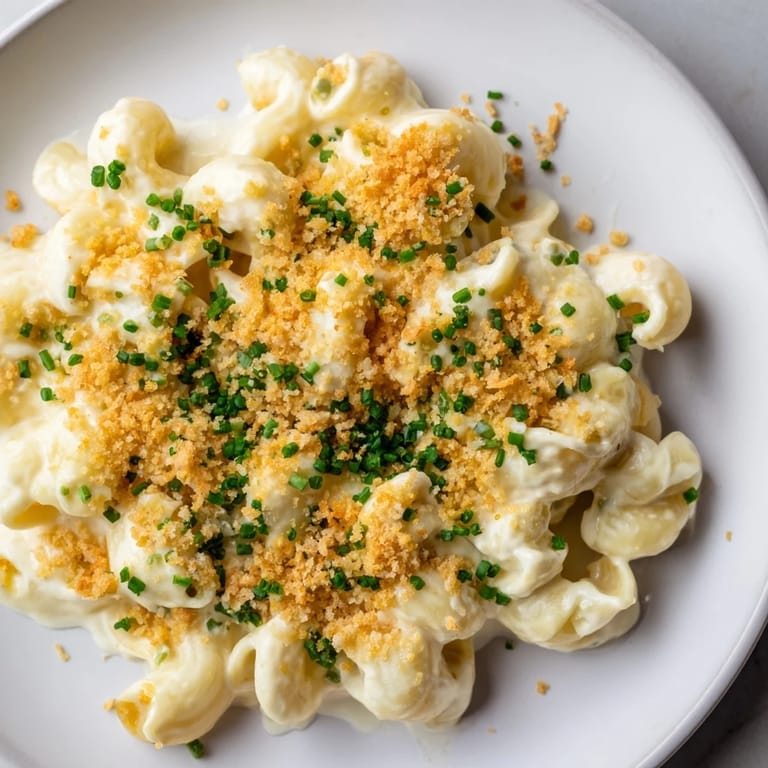
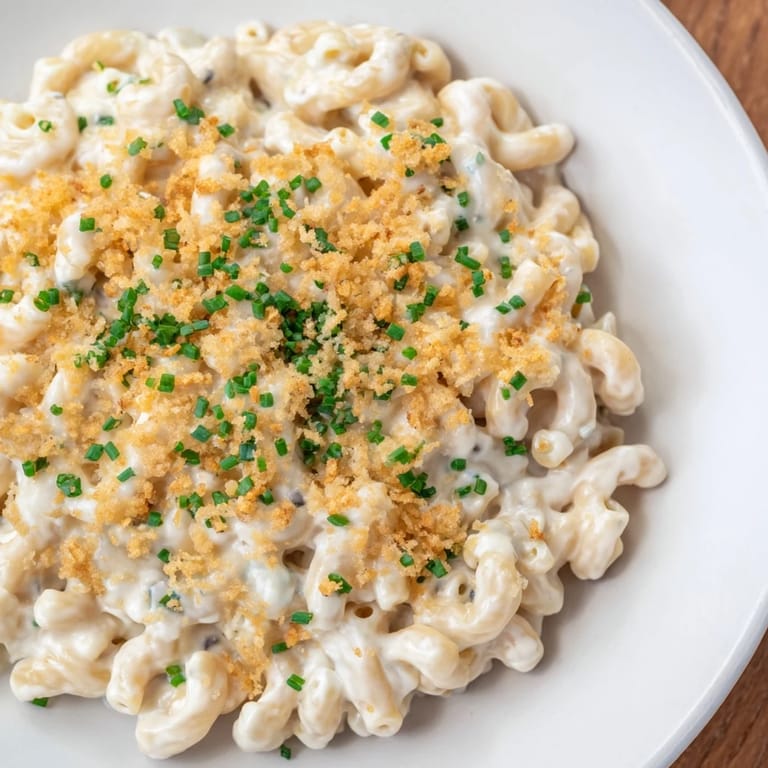
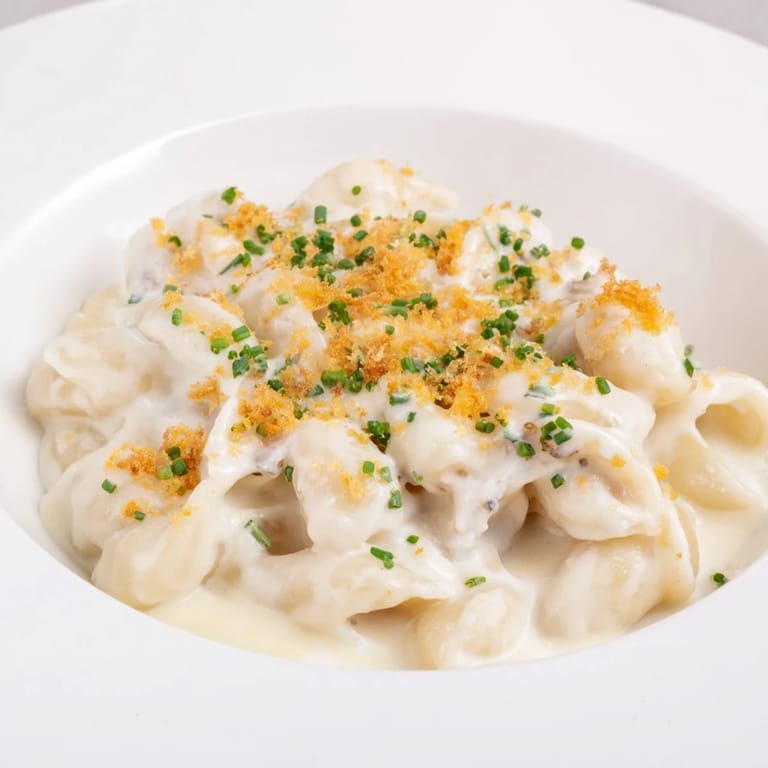
Serve it straight from the pan while it's still warm and the sauce clings to every noodle. A scatter of fresh chives or parsley brings brightness that cuts through the richness, and toasted breadcrumbs add a textural moment that makes it feel restaurant-worthy. Leftovers keep in the fridge for three days and reheat gently in a saucepan with a splash of milk to restore the sauce's silky nature.
- Toast breadcrumbs yourself in a dry pan for better flavor and texture than store-bought versions.
- Use fresh herbs if you have them; dried ones fade into the background and won't add the same brightness.
- A squeeze of lemon juice or a dash of hot sauce at the table lets people adjust the dish to their mood.
 Pin this
 This mac and cheese sits somewhere between everyday comfort and something you'd feel proud to set on a table. It's proof that the simplest swaps—blended cottage cheese instead of cream, intentional seasoning instead of salt alone—can transform a familiar dish into something that feels entirely new.
Recipe FAQs
- → How do I prevent the sauce from curdling?
Use low heat and stir constantly while melting the cheese into the blended cottage cheese sauce to maintain a smooth texture.
- → Can I use plant-based milk in the sauce?
Yes, unsweetened plant-based milk like almond or oat can substitute dairy milk for a lighter version.
- → What pasta works best for this dish?
Short pasta shapes like elbow macaroni hold the sauce well, but similar types such as shells or penne can be used.
- → Are there protein boosts suitable for this dish?
Adding cooked chicken or peas can increase protein content while complementing the creamy sauce.
- → How can I adapt this for gluten-free diets?
Simply replace the elbow macaroni with certified gluten-free pasta to maintain the dish’s texture and taste.