 Pin this
 I discovered this cheese platter concept while flipping through a design magazine at a café, completely mesmerized by an illustration of mountain peaks rendered in shades of blue and cream. The image stuck with me for weeks until one evening, while arranging leftover cheeses on a board, I realized I could actually build those peaks myself—with Roquefort, Gorgonzola, Stilton, and Bleu d'Auvergne standing in for granite and slate. It felt delightfully silly at first, but the moment I stepped back and saw how the cheeses caught the light against the crackers below, I understood why someone would want to turn a platter into landscape art.
The first time I served this was at a small dinner party on a crisp autumn evening, and I remember my neighbor leaning over the board with genuine delight, asking if she should eat it or frame it. We ended up doing both—she photographed it first, then we demolished those peaks together while laughing about the absurdity of making cheese look like topography. That's when I realized the real magic wasn't the presentation alone; it was watching people's faces soften when food becomes playful.
Ingredients
- Roquefort cheese: The French classic with those distinctive blue veins; it brings an assertive, peppery bite that anchors the whole arrangement.
- Gorgonzola cheese: Creamy and slightly sweet compared to Roquefort, offering a softer texture that contrasts beautifully with sharper varieties.
- Stilton cheese: The British blue with a crumbly structure that catches light; it adds earthiness and visual texture to your mountain range.
- Bleu d'Auvergne cheese: Milder and buttery, this one bridges the gap between the bolder blues, creating harmony in the lineup.
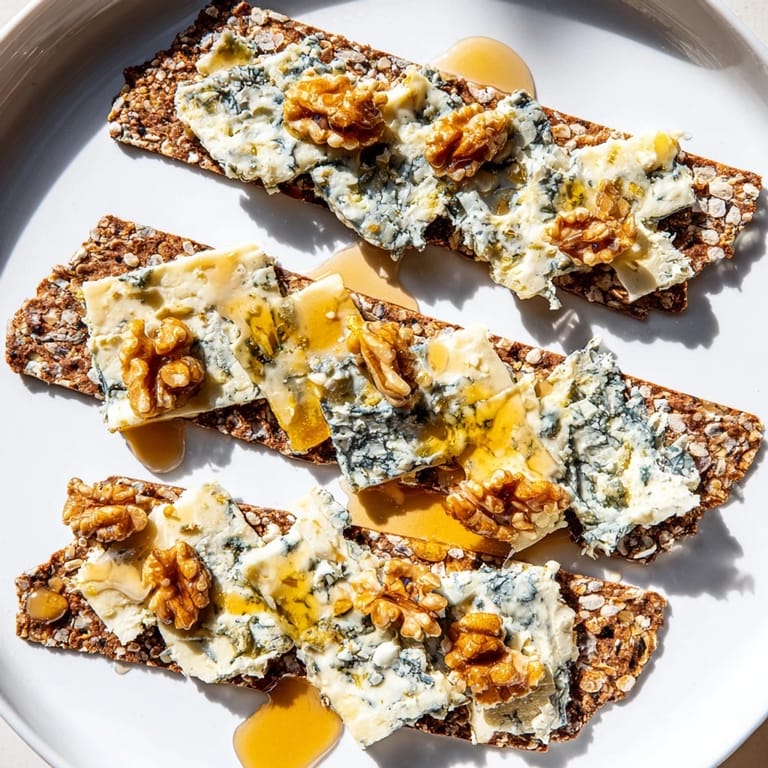
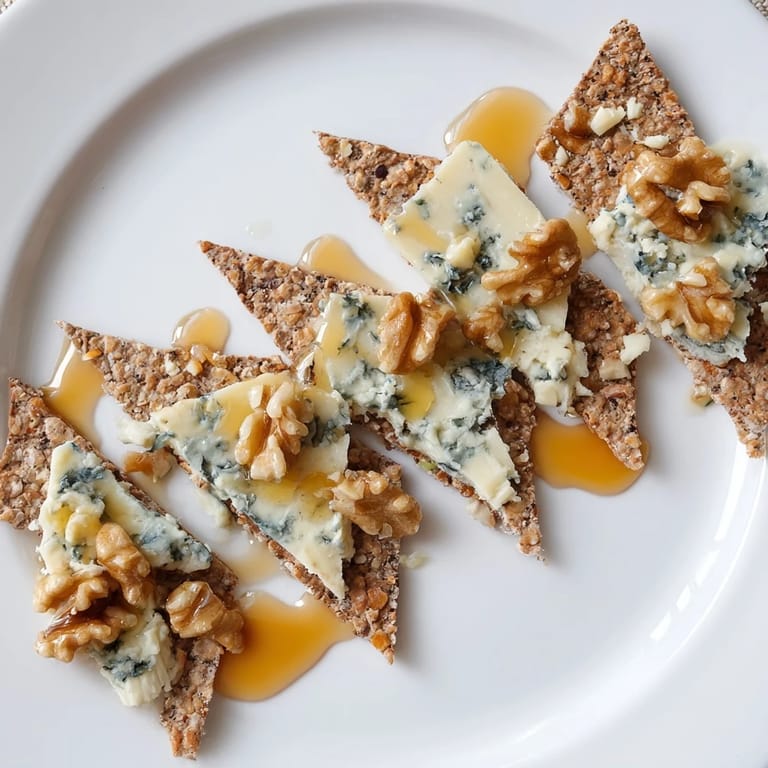
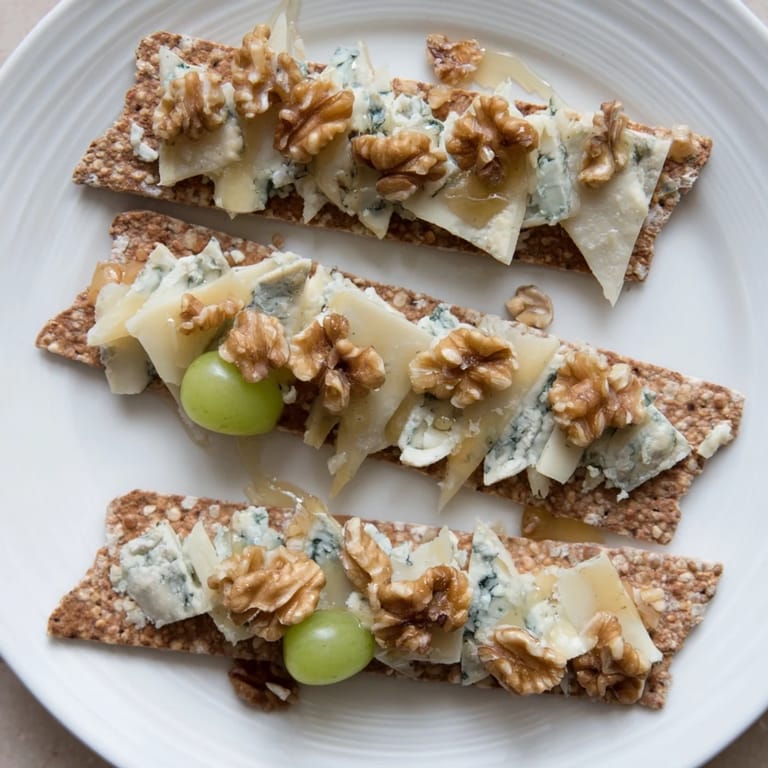
- Artisanal whole-grain crackers: These are your landscape foundation—look for ones with real texture and substance so they support the cheese without crumbling.
- Honey: Just enough to drizzle across the peaks; it softens the intensity of the blue cheeses and adds an elegant touch.
- Toasted walnuts, chopped: Brings crunch and warmth; toasting them yourself makes all the difference in depth of flavor.
- Fresh grapes or sliced figs: These provide color contrast and a refreshing, slightly sweet note between bites of cheese.
- Fresh herbs, optional: A sprig of rosemary or thyme mimics actual mountain vegetation and adds an aromatic element.
Tired of Takeout? 🥡
Get 10 meals you can make faster than delivery arrives. Seriously.
One email. No spam. Unsubscribe anytime.
Instructions
- Prepare your cheeses into peaks:
- Take your cheese knife and cut each blue cheese into rough, irregular wedges—think jagged, uneven pieces rather than neat cubes. This roughness is what makes them look like actual mountain terrain when arranged.
- Build your foundation:
- Lay the crackers across your serving board in a single layer, creating a bed of texture and color. Leave some space at the edges for garnishes; this becomes your "sky."
- Arrange the mountain range:
- Place the four blues in a loose row across the top of the crackers, varying their heights and angles as you go. Let them face different directions and stack slightly—imagine looking at a distant ridge where peaks aren't all the same height.
- Add the finishing touches:
- Drizzle honey lightly over the cheeses in thin, delicate streams, then scatter the toasted walnuts across the platter. Scatter grapes or fig slices in clusters around the base, adding pops of color.
- The final flourish:
- Tuck fresh herb sprigs among the cheeses if you'd like, then step back and admire your work before serving immediately.
 Pin this
 What surprised me most about making this platter repeatedly is that it became less about impressing people and more about the quiet pleasure of arrangement itself—like doodling, but edible. There's something meditative about handling those creamy wedges, finding the right angle, sensing when the composition feels balanced.
Choosing Your Blues
Not all blue cheeses taste the same, and understanding the differences helps you create a more interesting platter. Roquefort is the boldest and most peppery, almost prickly on the tongue. Gorgonzola is creamier and slightly sweet, almost buttery despite its blue veins. Stilton is crumbly and earthy, with a unique mineral quality. Bleu d'Auvergne sits somewhere in the middle—strong but not aggressive. When you arrange them together, you're creating a tasting journey; each peak offers a different sensation.
Pairing and Wine
This platter sings alongside certain beverages, and finding the right pairing can transform a simple appetizer into an experience. A chilled Sauternes is the classic choice—its sweetness plays beautifully against the sharp, salty blues. If you prefer red wine, something robust like a Banyuls or aged Bâtard works wonderfully, cutting through the richness of the cheese. Even a crisp, dry cider can be surprising and delightful if that's what you have on hand.
Making It Your Own
The magic of a cheese platter is that it invites personalization without demanding it. You can swap any blue cheese for another variety, add dried apricots or dates for extra sweetness, or substitute the walnuts with pumpkin seeds for a nut-free version. I've even seen people add candied ginger or a sprinkle of sea salt flakes for texture. The mountain concept is flexible enough to hold whatever speaks to you, whether that's seasonal fruit, different nuts, or herbs from your garden.
- For a nut-free version, swap walnuts for toasted pumpkin or sunflower seeds—they'll give you the same satisfying crunch.
- Add dried fruit like apricots, dates, or cranberries scattered throughout for bursts of sweetness and color.
- Serve with a small wooden spreader or butter knife so guests can easily portion cheese onto crackers without fumbling.
 Pin this
 Making this platter has taught me that sometimes the simplest pleasures come from seeing familiar things in a new light—in this case, blue cheese as a mountain range. Serve it with confidence, knowing that the effort you put in isn't really about perfection; it's about creating a moment where good food becomes a little more memorable.
Recipe FAQs
- → What types of blue cheeses work best?
Roquefort, Gorgonzola, Stilton, and Bleu d'Auvergne are ideal choices for varied texture and bold flavor profiles.
- → How can I present the cheeses creatively?
Slice cheeses into irregular wedges or blocks to resemble mountain peaks, arranging them in a staggered row to create a natural horizon effect.
- → What crackers complement this cheese selection?
Whole-grain artisanal crackers provide a crisp, neutral base that balances the intensity of the blue cheeses.
- → Are there suggested garnishes to enhance flavor?
Honey drizzle and toasted walnuts introduce sweetness and crunch; fresh grapes or figs add juiciness and color.
- → How can I adapt for dietary restrictions?
For nut-free options, substitute walnuts with pumpkin seeds; gluten-free crackers can replace regular ones to accommodate sensitivities.