 Pin this
 My neighbor knocked on my kitchen door one April morning with a bundle of violets from her garden, asking if I could do something special with them for her daughter's bridal shower. I'd never worked with edible flowers before, but something about their delicate purple petals made me want to build an entire cake around them. That afternoon, as I creamed butter and sugar, the scent of vanilla filled the kitchen while sunlight streamed through the window—suddenly I understood why spring cakes feel like a celebration all on their own.
I brought that violet cake to the shower, and watching guests carefully peel back the flowers to photograph it before eating felt like witnessing a tiny moment of joy. One woman told me it was the first cake she'd had in years where the decoration actually tasted like something beautiful instead of looking pretty and tasting waxy. That's when I knew this recipe was worth perfecting and sharing.
Ingredients
- All-purpose flour (2 1/2 cups): Sifting it with the leavening agents ensures even distribution and prevents dense pockets in your crumb—don't skip this step or you'll feel the difference in every bite.
- Baking powder (2 1/2 tsp): This is what gives the cake its light, airy structure that feels delicate on your tongue without being fragile.
- Salt (1/2 tsp): A pinch that you won't taste but will absolutely notice if it's missing, as it awakens the vanilla and balances the sweetness.
- Unsalted butter (1 cup), softened: Room temperature is non-negotiable here—cold butter won't cream properly and you'll end up with a dense cake instead of the fluffy crumb you're after.
- Granulated sugar (1 3/4 cups): This not only sweetens but also aerates the batter as you cream it, creating those tiny air pockets that make the cake tender.
- Large eggs (4), at room temperature: Cold eggs won't incorporate properly and can cause the batter to break, so pull them out of the fridge while you're prepping everything else.
- Pure vanilla extract (1 tbsp): Use real vanilla, not imitation—the depth of flavor is worth the splurge and makes the cake taste like spring in a bite.
- Whole milk (1 cup), at room temperature: This keeps the cake moist and tender; cold milk can seize the butter and affect your final texture.
- Heavy whipping cream (2 cups), cold: The cold temperature is essential for whipping into those billowy peaks that make frosting feel like a cloud on your palate.
- Powdered sugar (1/2 cup): Dissolves instantly into the cream without grittiness, creating a frosting that's smooth and luxurious.
- Pressed edible flowers (1/2–1 cup): These are the soul of the cake, so source them from trusted organic suppliers and press them yourself between parchment and books for at least 24 hours to remove all moisture.
- Fresh mint leaves (optional): A whisper of green that adds a fresh herbal note and softens the floral elements visually.
Tired of Takeout? 🥡
Get 10 meals you can make faster than delivery arrives. Seriously.
One email. No spam. Unsubscribe anytime.
Instructions
- Prepare your pans with care:
- Preheat the oven to 350°F and grease two 8-inch round pans with butter or cooking spray, then line the bottoms with parchment paper—this double protection ensures your layers release cleanly without sticking. An extra minute of prep here saves you from heartbreak later.
- Sift the dry ingredients:
- In a medium bowl, sift together the flour, baking powder, and salt, letting the mixture fall through the sifter three or four times to fully incorporate air and break up any lumps. This step feels tedious but is the difference between a tender cake and a tough one.
- Cream butter and sugar until fluffy:
- Using an electric mixer on medium speed, beat the softened butter and sugar together for 3 to 4 minutes until the mixture is pale, light, and resembles wet sand—you should hear the mixer working and see the transformation happen. This is where you're building the structure of your cake.
- Incorporate eggs one at a time:
- Add eggs individually, making sure each one is fully mixed into the butter mixture before adding the next, about 20 to 30 seconds per egg—rushing this step can cause curdling. After all eggs are in, stir in the vanilla extract until just combined.
- Alternate flour and milk gently:
- Add the flour mixture in three additions, alternating with the milk in between, starting with flour and ending with flour (flour, milk, flour, milk, flour)—this pattern prevents overmixing while ensuring everything combines evenly. Mix on low speed and stop as soon as you don't see dry streaks.
- Divide batter and bake:
- Pour the batter evenly between the prepared pans and smooth the tops with a spatula, then slide them into the preheated oven for 30 to 35 minutes until a toothpick inserted in the center comes out clean. Trust your nose—when it smells like vanilla cake, it's ready.
- Cool with patience:
- Let the cakes rest in their pans for 10 minutes to firm up slightly, then turn them out onto wire racks to cool completely—trying to frost a warm cake is a guarantee for meltdown. This is a good time to make your frosting.
- Whip the cream frosting:
- In a chilled bowl using an electric mixer on medium-high speed, beat the cold heavy cream, powdered sugar, and vanilla until stiff peaks form—this takes 2 to 3 minutes and you'll hear the sound change as it transforms from liquid to cloud. Stop just before it turns to butter.
- Assemble with generosity:
- Place one cooled cake layer on your serving plate, spread a thick layer of whipped cream on top, then set the second layer on it and frost the top and sides with the remaining cream. Work quickly but gently so the cake doesn't split.
- Press flowers into frosting:
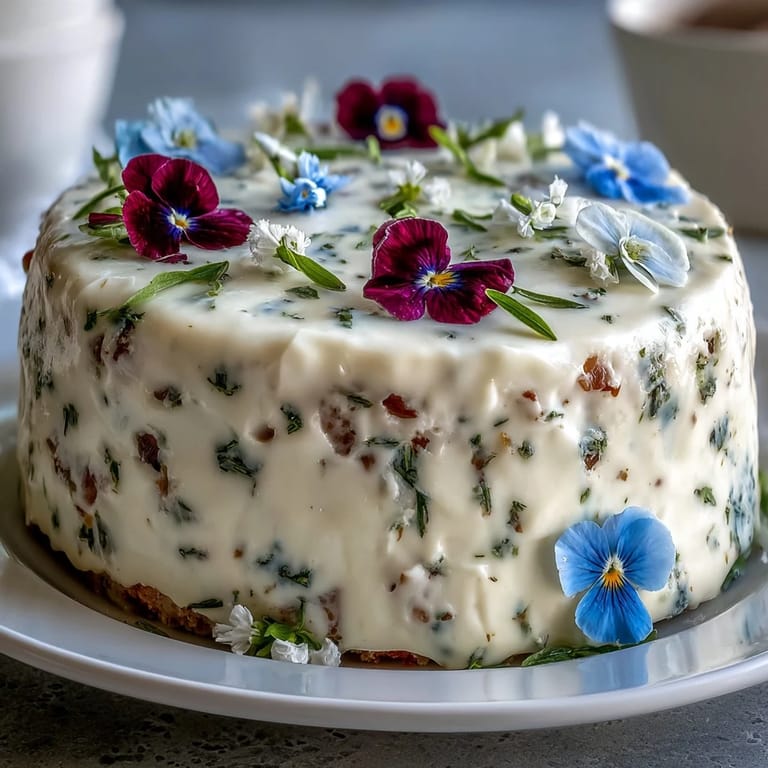
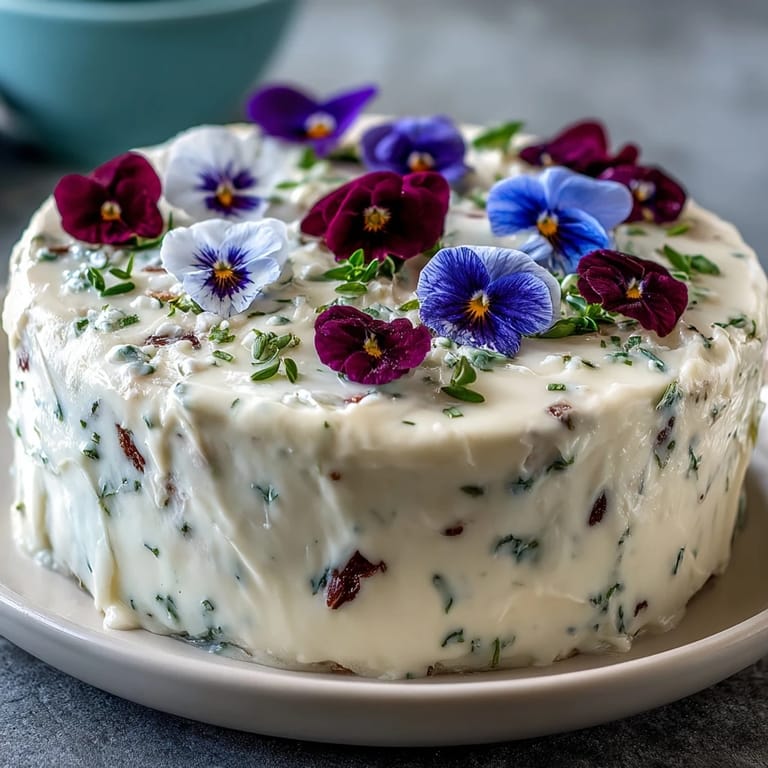
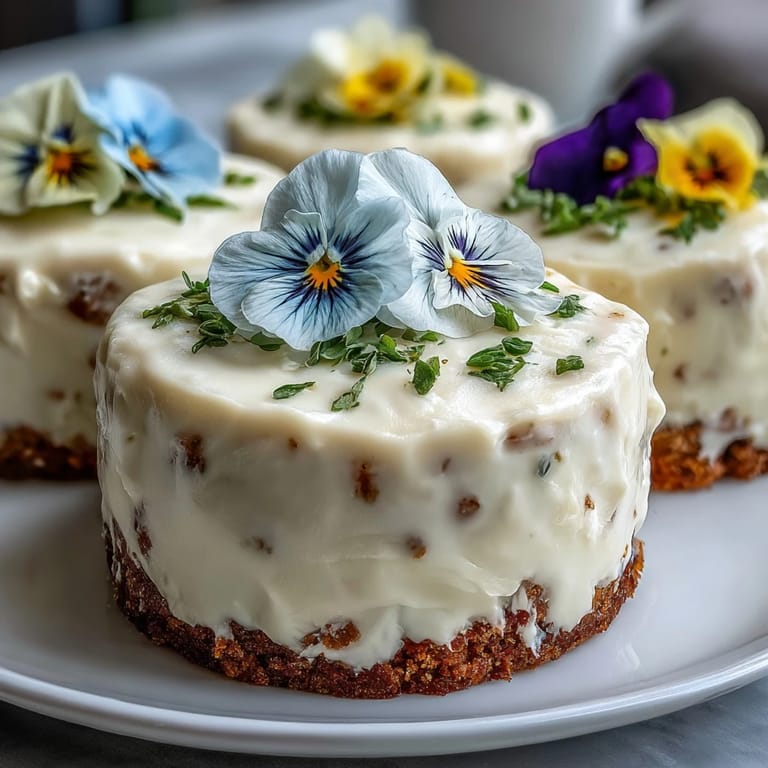
- Working gently with your fingertips or tweezers, press the pressed edible flowers onto the frosting, covering the sides and top in a natural, scattered pattern—don't overthink it, even random placement looks beautiful. Tuck mint leaves between flowers for depth.
- Chill before serving:
- Refrigerate the finished cake for at least 30 minutes before slicing to let the frosting set and the flowers adhere properly. This also gives you a moment to step back and admire what you've made.
 Pin this
 The real magic happened when my neighbor's daughter took a bite at her shower and closed her eyes like she'd tasted something from a dream. She asked for the recipe not to make it herself, but to remember the moment when she did. That's when I realized this cake isn't just about technique—it's about creating an edible memory.
The Art of Pressing Flowers
Pressed flowers are nothing like fresh ones—they become brittle, delicate paper-thin things that are somehow more beautiful because of their fragility. I learned this by crushing half my first batch because I didn't press them long enough and they were still slightly moist. Now I use two heavy coffee table books as my flower press, checking them every few days until they're completely dry and papery.
Timing Your Cake for a Crowd
The entire cake can be made a day ahead—bake the layers, cool them completely, wrap them individually in plastic wrap, and store in an airtight container. The morning of serving, make the frosting and assemble the cake, which takes about 20 minutes and lets you press the flowers while your confidence is high. This way you're never rushing at the last minute.
Why Spring Flavors Matter
There's something about vanilla, whipped cream, and edible flowers together that tastes like the season itself—light without being insubstantial, sweet without being heavy, delicate without being boring. My mother suggested adding lemon zest one year and it shifted something in the flavor that made it even more spring-like, almost bright enough to taste like sunshine. You can play with this cake.
- Try adding 1 to 2 teaspoons of lemon or orange zest to the batter for a subtle citrusy whisper.
- Experiment with different pressed flowers—violet, pansy, nasturtium, and rose petals all taste slightly different and look stunning together.
- Pair it with sparkling white wine or floral tea instead of coffee for the full spring experience.
 Pin this
 Every time I make this cake, I think of that April morning with violets in hand and realize I'm no longer just following a recipe—I'm creating something that matters to someone. That feeling never gets old.
Recipe FAQs
- → How do pressed flowers enhance the cake?
Pressed edible flowers provide a natural, elegant decoration that complements the light vanilla flavor and whipped cream frosting.
- → What type of flour is best for this cake?
All-purpose flour ensures a tender crumb and balanced texture suitable for this light cake.
- → How long should the cake be chilled before serving?
Chilling for at least 30 minutes helps the whipped cream set and allows the flowers to adhere properly.
- → Can the cake batter be enhanced with citrus flavors?
Adding 1–2 teaspoons of lemon zest to the batter introduces a subtle citrusy brightness that complements the floral decoration.
- → What is the best way to prepare the whipped cream frosting?
Chill the bowl and beat cold heavy cream with powdered sugar and vanilla extract until stiff peaks form for a stable and fluffy frosting.
- → Are there any special considerations when choosing edible flowers?
Use only organically grown, unsprayed flowers that are safe for consumption and have been pressed for at least 24 hours for best results.