 Pin this
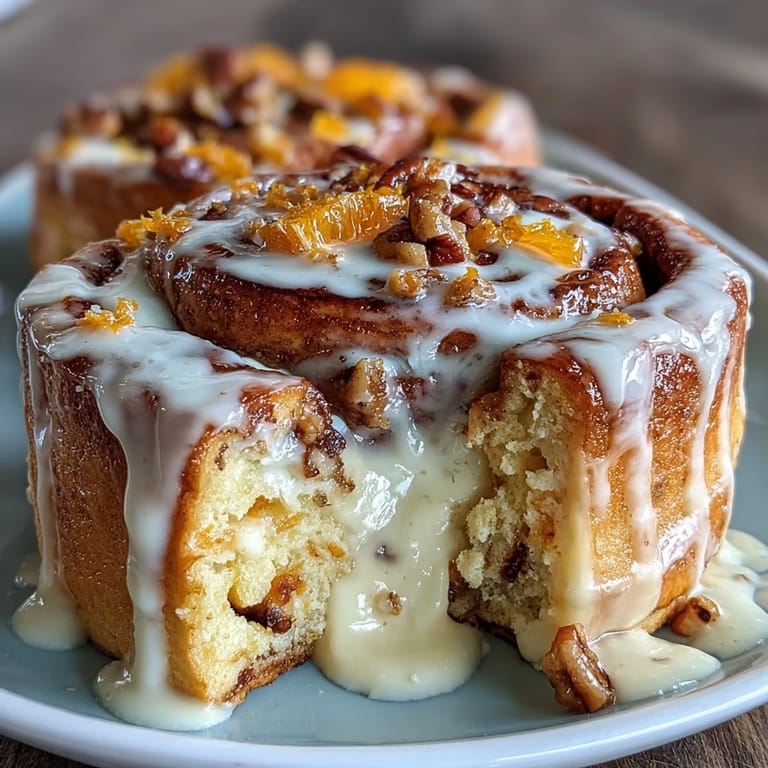
 My kitchen filled with the most unexpected fragrance one Saturday morning when I decided to swap cinnamon for citrus in my roll recipe. A friend had left three enormous oranges on my counter after mentioning how her tree had gone wild that season, and something about their bright color made me wonder what would happen if I baked them into dough instead of ignoring them. The first batch surprised everyone—these soft, pillowy rolls with a frosting that tasted like sunshine, and suddenly my Saturday breakfast became the thing people asked me to make again and again.
I made these for a small brunch I was hosting during that weird week in early spring when everyone needed something bright and hopeful. One guest walked in, paused at the table, and just stood there breathing in before eating anything—that's when I knew these rolls had crossed from recipe into something people remember. We ended up dipping them in coffee and Earl Grey tea, laughing about why nobody makes orange rolls more often.
Ingredients
- All-purpose flour (3 1/4 cups): The backbone of soft rolls—measure by spooning into the cup rather than scooping, or you'll end up with dense dough that doesn't rise properly.
- Active dry yeast (2 1/4 tsp): Warm milk and orange juice wake it up faster than water alone, and that foamy layer after 5 minutes tells you everything is alive and ready to work.
- Orange zest (from 3 large oranges total): Use a microplane grater to catch those fragrant oils, not the bitter white pith underneath—this is where the real flavor lives.
- Fresh orange juice (1/4 cup plus 2 tbsp): The acidity in fresh juice adds subtle tang that balances the sweetness; bottled juice loses this complexity.
- Unsalted butter (1/2 cup total): Keep it soft for spreading, melted for mixing, so the flavors blend seamlessly without overpowering the citrus.
- Cream cheese and powdered sugar for frosting: Both must be softened and at room temperature, or you'll get lumpy frosting instead of the silky spread these rolls deserve.
Tired of Takeout? 🥡
Get 10 meals you can make faster than delivery arrives. Seriously.
One email. No spam. Unsubscribe anytime.
Instructions
- Wake up the yeast:
- Combine warm milk, orange juice, sugar, and yeast in a large bowl and wait 5–10 minutes until the top foams like a tiny edible volcano. This tells you the yeast is alive and hungry.
- Build the dough:
- Stir in melted butter, orange zest, eggs, and salt, then gradually add flour while mixing until a soft, sticky dough comes together. Knead for 8–10 minutes by hand or machine until the dough becomes smooth and elastic, adding flour just a teaspoon at a time if it's too wet.
- Let it rise:
- Place dough in a greased bowl, cover loosely with a towel, and leave it in a warm spot (an oven with just the light on works perfectly) for about 1 hour until it's doubled. The dough should feel airy and springs back slowly when you poke it.
- Prepare the orange filling:
- Mix sugar and orange zest in a small bowl, pressing gently with the back of a spoon to release those fragrant oils. Let it sit while the dough rises so the zest can infuse into the sugar.
- Shape the rolls:
- Punch down the dough and roll it out on a lightly floured surface into a 16x10-inch rectangle—not too thin, or the rolls will collapse, not too thick, or they'll stay dense inside. Spread softened butter evenly over the surface, then sprinkle the orange sugar mixture across the entire area, making sure every part gets some zest.
- Roll and cut:
- Starting from one long side, roll the dough tightly into a log, then use a sharp knife (or a length of dental floss if you want zero mess) to cut it into 12 equal rolls. A gentle sawing motion works better than pressing, which squeezes out all the air.
- Final rise:
- Arrange rolls in a greased 9x13-inch baking dish, cover with a towel, and let them puff up for 30–40 minutes in that same warm spot. They should be puffy and touching each other slightly.
- Bake:
- Preheat your oven to 350°F and bake for 22–25 minutes until golden brown on top and the bottoms sound slightly hollow when tapped. The smell at 20 minutes will nearly knock you over.
- Make the frosting:
- While rolls bake, beat softened cream cheese and butter together until smooth, then add powdered sugar gradually to avoid lumps. Finish with orange juice, zest, vanilla, and salt, beating until the frosting is creamy and spreadable.
- Frost while warm:
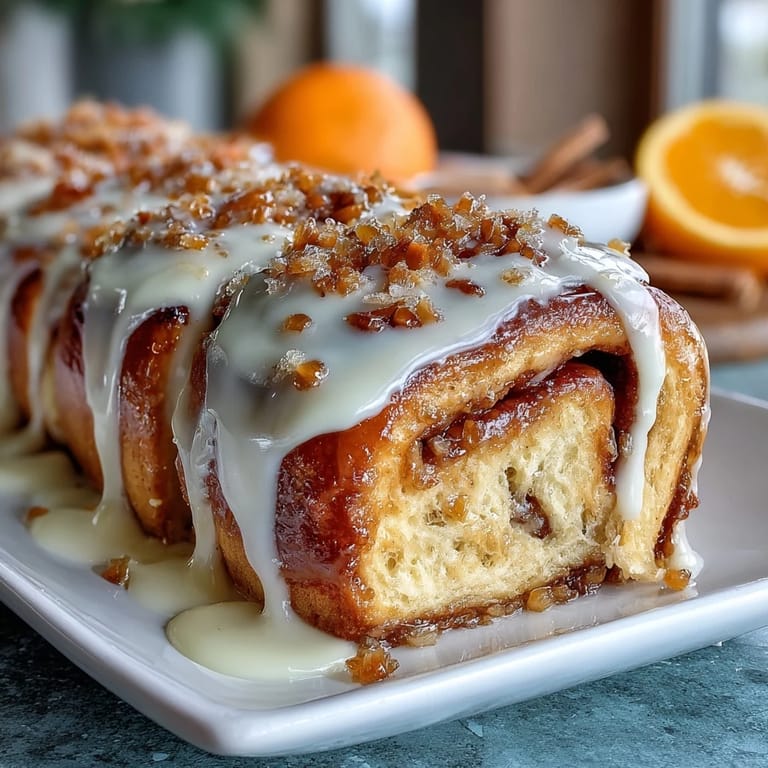
- Let rolls cool for just 10 minutes, then spread frosting generously over the warm rolls—the warmth helps it melt slightly into every crevice. This is non-negotiable for the best texture and flavor.
 Pin this
 These rolls taught me something quiet: the simplest ingredient swaps can completely change how people experience breakfast. A friend who usually skips sweet things came back for seconds, saying it was the orange that made it feel less indulgent and more like eating something alive and fresh. That's the magic of these rolls—they're celebratory without being heavy, citrus without being harsh.
Why Orange Beats Every Other Flavor
Cinnamon rolls are wonderful, but they're expected—everyone has made them a dozen times. Orange brings the same cozy, bakery-fresh energy but with a brightness that wakes up your palate instead of making you sleepy. The citrus doesn't fight with sweet; it dances with it, making the cream cheese frosting taste like something between a pastry and a fresh-squeezed moment. I learned this by accident when my usual cinnamon ran out, and I'm genuinely grateful for that small kitchen failure.
Make-Ahead Magic
These rolls are secretly perfect for people who claim they don't have time to bake. Shape them the night before, cover the baking dish tightly with plastic wrap, and refrigerate—in the morning, just let them come to room temperature for 30 minutes before baking. The cold overnight rise actually develops more flavor because the yeast works slowly and the dough relaxes, creating better texture than if you rushed it.
Pairing and Storage
Earl Grey tea is made for these rolls—the bergamot echoes the orange, and the slight astringency cuts through the richness of the frosting beautifully. Fresh-squeezed orange juice works too if you want to lean into the citrus theme completely, or coffee if you prefer contrast. Store leftovers loosely covered on the counter for 2 days, or wrap them individually and freeze for up to 3 weeks.
- Add a few drops of orange extract to the frosting if you want an even more intense citrus flavor.
- A microplane zester gets you the pure flavor oils without the bitter white pith that regular graters sometimes catch.
- If your kitchen is cold, set the mixing bowl on a heating pad during rising time—consistent warmth beats a long wait.
 Pin this
 Make these rolls when you want breakfast to feel like a small celebration, or when someone you care about needs a reminder that the world has bright, beautiful things in it. They're not difficult, but they're thoughtful—and that combination is exactly what good cooking is about.
Recipe FAQs
- → How do I ensure the dough rises properly?
Use warm milk and fresh yeast to activate the dough. Keep the dough in a warm, draft-free area and allow it to double in size, which usually takes about an hour.
- → Can I substitute the orange juice with another citrus?
Yes, fresh lemon or grapefruit juice can be used for a different citrus flavor, but it may alter the sweetness and aroma slightly.
- → What is the best way to spread the filling evenly?
Roll the dough into a rectangle and spread softened butter first, then sprinkle the sugar and zest mixture evenly before rolling it tightly.
- → How do I cut the rolls without squashing them?
Use a sharp knife or dental floss to slice through the dough gently, maintaining the shape of each roll.
- → Can these rolls be prepared ahead of time?
Yes, after shaping, cover and refrigerate overnight. Let them rise at room temperature before baking the next day for convenience.