 Pin this
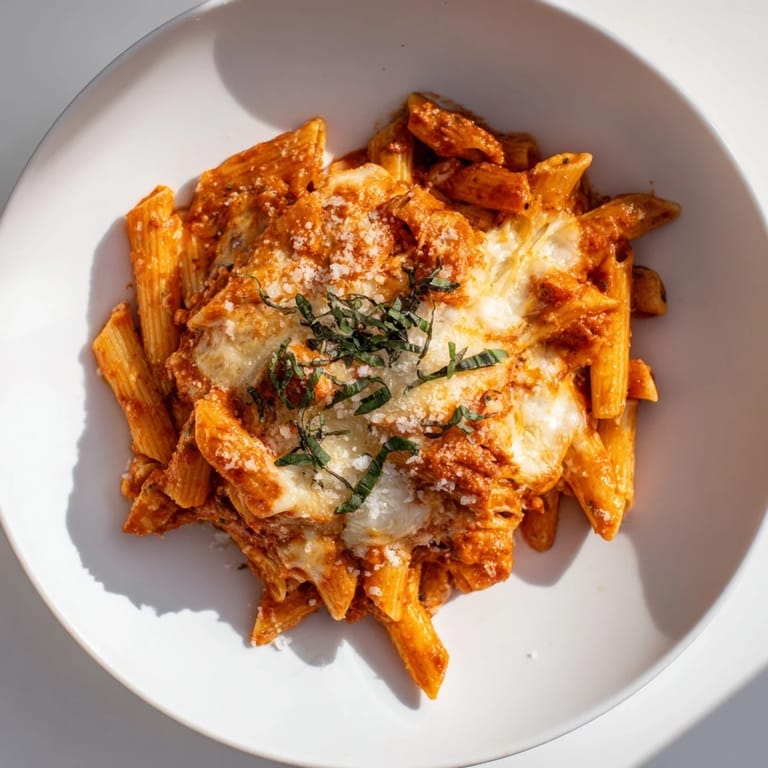
 The first time I made this was on a rainy Wednesday when my kitchen smelled like nothing but burnt garlic from an earlier attempt at something else. I grabbed a can of tomatoes, some pasta, and decided to just layer it all together—no fuss, no fancy technique. What came out of the oven was golden, bubbling, and so comforting that my roommate actually put their phone down to eat. That's when I realized baked penne arrabbiata wasn't about being complicated; it was about the heat, the cheese, and the way the sauce clings to every piece of pasta.
I made this for a small dinner party once, and the moment I pulled it from the oven, everyone just went quiet—that smell of melted mozzarella and basil filling the whole room said everything. One guest asked if I'd studied cooking in Italy, which made me laugh because I'd learned it by accident on a rainy afternoon. But there was something real about serving it: everyone came back for seconds, and nobody wanted to leave the table.
Ingredients
- Penne pasta (350 g / 12 oz): Cook it one or two minutes before the package says so your pasta stays firm when it meets the oven's heat.
- Olive oil (2 tbsp): Use something you actually like tasting because this isn't the time to hide your oil.
- Garlic (4 cloves, finely chopped): The finer you chop it, the more it melts into the oil and flavors everything evenly—tiny pieces matter here.
- Crushed red pepper flakes (1–2 tsp): Start with less if you're unsure; you can always add heat, but you can't take it back once it's baked.
- Canned crushed tomatoes (800 g / 28 oz): Good tomatoes are the backbone—don't skimp on quality here because they're doing most of the flavor work.
- Sugar (1 tsp): This cuts the acidity of the tomatoes and rounds out the sauce without making it taste sweet.
- Dried oregano (1 tsp): Dried oregano has a different strength than fresh, so measure carefully.
- Salt and black pepper (½ tsp salt, ¼ tsp pepper): Taste as you go because pasta dishes need seasoning to really sing.
- Fresh basil (small bunch, chopped): Reserve half for garnish so you get that bright green finish that makes everything look alive on the plate.
- Parmesan cheese (80 g / ¾ cup grated): Grate it yourself if you can—pre-grated cheese has additives that stop it from melting as smoothly.
- Mozzarella cheese (150 g / 1½ cups shredded): This is what turns golden and bubbly, so don't use the low-moisture kind unless you want it to stay rubbery.
Tired of Takeout? 🥡
Get 10 meals you can make faster than delivery arrives. Seriously.
One email. No spam. Unsubscribe anytime.
Instructions
- Set your oven and prep your stage:
- Preheat to 200°C (400°F) and grease your baking dish while you're thinking about it—you'll thank yourself when you're moving hot pasta around.
- Get your pasta to almost-done:
- Boil it in salted water until it's still slightly firm to the bite, about 2 minutes before the package instructions would say. It'll keep cooking in the oven, so this matters.
- Build your sauce base:
- Warm the olive oil in a skillet over medium heat, add the garlic and red pepper flakes, and listen for that sizzle—let it go just until fragrant, maybe 1–2 minutes, before the garlic starts to brown.
- Simmer the tomatoes:
- Pour in the tomatoes with the sugar, oregano, salt, and pepper, and let it bubble gently for 10–12 minutes while you stir every so often. You're looking for the sauce to thicken just a little and the flavors to marry.
- Add the basil and toss:
- Turn off the heat, stir in most of the fresh basil (keep some for the end), then add the drained pasta and turn it all to coat evenly in that red sauce.
- Layer it up:
- Spread half the pasta mixture into your baking dish, sprinkle with half the Parmesan and mozzarella, then layer the rest of the pasta and top it with the remaining cheese.
- Bake until golden:
- Slide it into the oven for 18–20 minutes until the cheese is melted, the top is golden, and you can see sauce bubbling around the edges.
- Rest and finish:
- Let it sit for 5 minutes so everything sets, scatter the reserved basil on top, and serve hot.
 Pin this
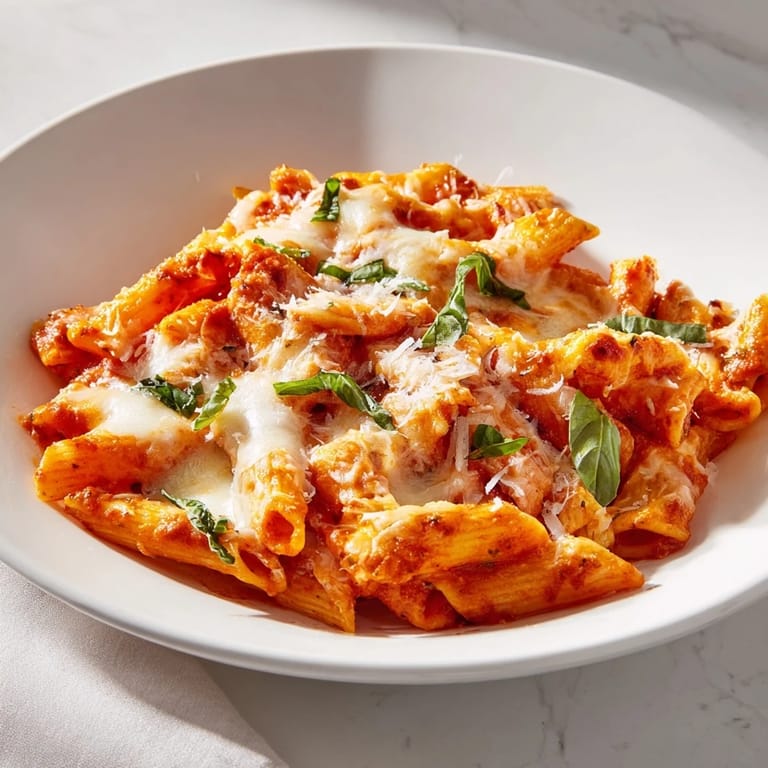
 There's a moment right when you pull this out of the oven, when the cheese is still bubbling and the basil is just starting to catch the heat, that feels almost ceremonial. This dish stopped being about dinner and started being about gathering around something warm and alive.
Finding the Right Heat Balance
The arrabbiata name means "angry" in Italian, and the heat is supposed to be part of the identity, but not everyone loves fire in their food. I learned this the hard way when I made it for my grandmother and watched her push it around her plate. Now I always start conservative with the red pepper flakes and let people add their own at the table—it respects everyone's palate and keeps the peace at dinner. The sauce is spicy enough from the tomatoes and garlic, so the pepper flakes are really about how much kick you want.
Why Baking Changes Everything
Regular arrabbiata is a stovetop pasta, quick and bright, but baking it transforms it into something else entirely. The oven slowly melds the sauce into the pasta, the cheese creates this textural contrast, and somehow the flavors deepen in that dry heat. It becomes less of a Tuesday night dinner and more of a dish that feels intentional, like you put thought into feeding people.
Making It Your Own
This is one of those recipes that's forgiving enough to play with but structured enough to always work. I've added everything from sautéed mushrooms to roasted red peppers, switched the mozzarella for fontina, even threw in some anchovy paste once (which my friend swore made it better, though she couldn't say why). The base is so solid that you can trust your instincts here.
- Add sautéed bell peppers or mushrooms to the sauce for more texture and earthiness.
- Use a blend of cheeses like provolone or fontina if you want different flavor notes.
- Make it ahead and bake it straight from the fridge, just add a few extra minutes to the bake time.
 Pin this
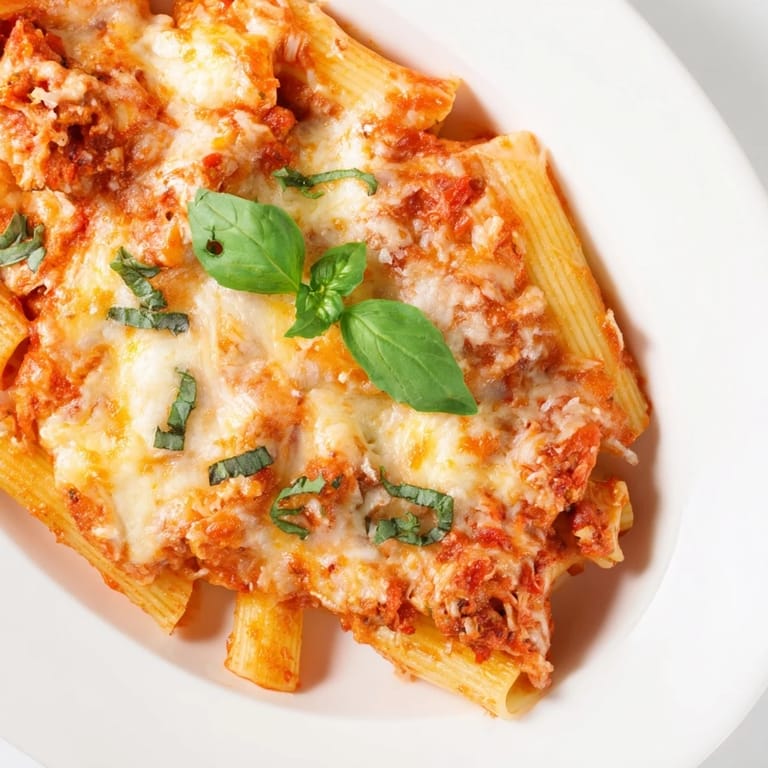
 This baked penne is the kind of dish that makes a kitchen feel like the center of everything that matters. It's uncomplicated, forgiving, and always ready to turn an ordinary evening into something worth remembering.
Recipe FAQs
- → How do I achieve the right spice level in the sauce?
Adjust the amount of crushed red pepper flakes according to your preference. Start with 1 tsp for mild heat or increase to 2 tsp or more for a fiery kick.
- → Can I substitute the cheeses used in this dish?
Yes, mozzarella can be swapped with provolone or fontina for a different flavor profile, while Parmesan adds sharpness that balances the sauce.
- → What is the best way to cook the pasta before baking?
Cook the penne just shy of al dente by boiling it 2 minutes less than package instructions to avoid overcooking during baking.
- → How can I add more vegetables to the dish?
Sauté vegetables like bell peppers or mushrooms separately and fold them into the sauce before layering the pasta for added flavor and texture.
- → What dishes pair well with this baked penne?
A crisp green salad or garlic bread complements the richness, and a glass of Chianti enhances the Italian flavors.