 Pin this
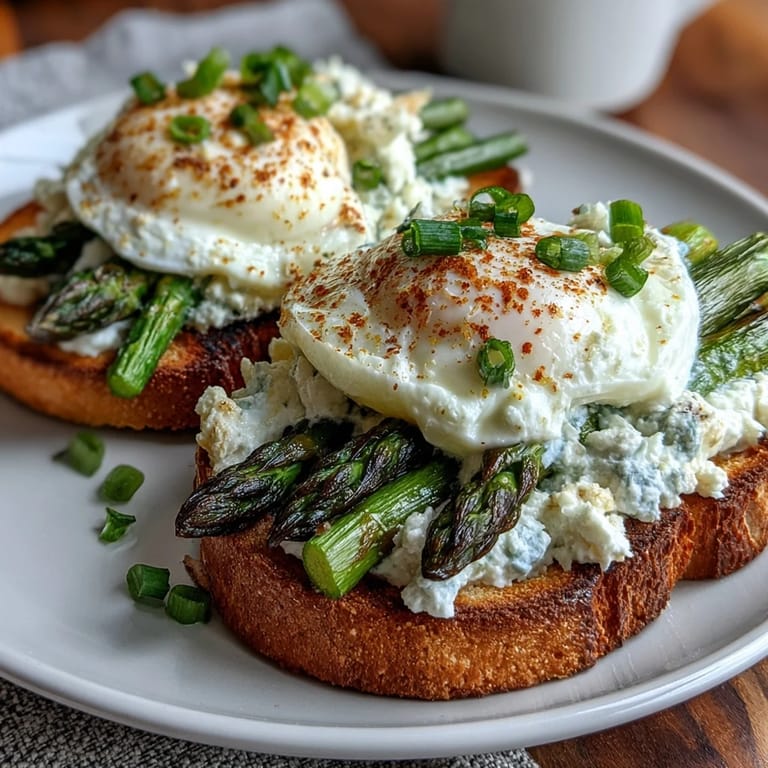
 There's something about spring that makes you want to eat standing up at the kitchen counter, and that's exactly what happened the first time I assembled these tartines. My neighbor had brought over a bunch of asparagus from her garden, still wearing that thin layer of morning dew, and I was staring at them thinking, what's the fastest, most elegant thing I can do here? The answer arrived fully formed: creamy scrambled eggs on toasted bread, bright with lemon, crowned with those tender green spears. It felt fancy but took barely longer than breakfast usually does.
I made this for my sister last spring when she was going through a rough week, and watching her close her eyes after the first bite—really savor it instead of just eating it—reminded me that sometimes the simplest food is the most comforting. She asked for the recipe before she'd even finished, which meant something. Now whenever I make tartines like this, I think of that quiet morning at my kitchen table, just the two of us, and how something so straightforward could feel like care on a plate.
Ingredients
- Asparagus spears (12 thin ones): Thinner spears are more tender and cook faster, so they won't turn stringy or mushy; look for ones that are roughly the thickness of your pinky finger, and don't bother peeling them if they're young and thin.
- Large eggs (4): The fresher the better because they'll taste richer and the whites will stay tender when cooked gently, so if you have a farmers market source, this is the place to splurge a little.
- Crème fraîche or Greek yogurt (2 tablespoons): This is the secret to keeping the eggs creamy after they set, and crème fraîche has a subtle tang that Greek yogurt can't quite match, but both work beautifully.
- Unsalted butter (2 tablespoons): You'll taste every bit of this, so use the good stuff—it should smell almost sweet and nutty when it hits the pan.
- Rustic country bread or sourdough (4 slices, about 1/2-inch thick): The structure matters here because you need bread sturdy enough to hold the creamy eggs without getting soggy, and the slight tang of sourdough echoes the brightness of the lemon perfectly.
- Fresh chives (1 tablespoon, plus extra for garnish): Chives are mild and oniony without being aggressive, so they won't overpower the delicate eggs; snip them just before serving so they don't oxidize and turn dark.
- Lemon zest and juice: The zest goes into the eggs while they're cooking to infuse them from the inside, and the juice is a final flourish right before serving to keep everything sharp and alive.
- Shallot (1 small one, finely chopped): A shallot is softer and sweeter than regular onion, and sautéing it in butter before adding the eggs gives you this subtle, almost caramelized flavor base that makes the whole dish feel more intentional.
- Salt and freshly ground black pepper: Use good sea salt and grind the pepper fresh because these simple seasonings will be the only thing standing between delicious and forgettable.
Tired of Takeout? 🥡
Get 10 meals you can make faster than delivery arrives. Seriously.
One email. No spam. Unsubscribe anytime.
Instructions
- Blanch the asparagus until it's just shy of tender:
- Bring a pot of salted water to a boil—it should taste like the sea—and slip in your asparagus spears. You want them soft enough to bend slightly but still with a whisper of firmness in the center, usually just 2 to 3 minutes. As soon they're there, fish them out with a slotted spoon and drop them straight into an ice bath to stop the cooking dead, which keeps them bright green and prevents that dull, overcooked look.
- Toast your bread until it's golden and crisp:
- Whether you use a toaster or a grill pan, the goal is bread that's crunchy on the outside but still soft enough inside to hold the eggs without cracking. The warmth also matters later because cold bread against warm eggs just doesn't feel right.
- Sauté the shallot in melted butter over medium heat:
- Let the butter get foamy and fragrant, then add your finely chopped shallot and cook it gently for about a minute until it turns translucent and soft. This is not the time to rush or turn up the heat; you're building a flavor base, not browning anything.
- Whisk and pour the eggs into the skillet, then stir constantly and gently:
- Crack your eggs into a bowl and whisk them lightly—just enough to break the yolks and combine them, not so much that you're incorporating tons of air. Pour them into the skillet with the shallots and immediately start stirring with a wooden spoon or silicone spatula, moving slowly and deliberately from the edges toward the center. This is the magic part: you're coaxing the eggs into becoming creamy rather than firm, and it takes about 2 to 3 minutes of your full attention.
- Fold in the crème fraîche, chives, lemon zest, and seasonings while the eggs are still slightly wet:
- Remove the pan from heat when the eggs still look just barely underdone—they'll keep cooking from residual heat—and fold in your crème fraîche or yogurt, the fresh chives, lemon zest, a small pinch of salt, and a crack of black pepper. The dairy cools things down slightly and keeps everything silky.
- Spread the creamy eggs over your warm toast:
- Spoon the egg mixture generously onto each slice of toasted bread, letting some of it pool at the edges in the most appetizing way.
- Top with asparagus, lemon juice, chives, and pepper, then eat it immediately:
- Arrange three asparagus spears on top of each tartine, drizzle with fresh lemon juice right before serving, and finish with a scatter of extra chives and a generous crack of black pepper. This is not a dish that improves with sitting; it's best the moment the bread is still warm and the eggs are creamy.
 Pin this
 What I love most about this recipe is that it taught me you don't need complicated technique or a list of exotic ingredients to make something that feels special. It's just butter, eggs, asparagus, and bread, treated with a little respect and attention, and suddenly you've made something that tastes like spring and feels like someone cared about feeding you properly.
Why Asparagus Is the Star Here
Asparagus has this short, bright window in spring where it's impossibly tender, and that matters because the whole tartine is built around the contrast between the soft eggs and something with a little snap. Thinner spears are the key—they're naturally more delicate and cook in seconds, so you're not fighting with tough, fibrous vegetables that need aggressive cooking. The blanching and ice bath technique keeps them that perfect tender-crisp texture, and the lemon juice you drizzle at the end brings out this almost sweet, grassy flavor that feels effortless on the palate.
The Eggs Are Everything
This recipe stands or falls on how you treat the eggs, and honestly, that low heat and constant stirring is not just fussiness—it's the difference between creamy and rubbery. The moment you turn up the heat or stop stirring, the proteins tighten up and you lose that silky texture that makes this dish feel luxurious. I learned this the hard way by impatience, watching perfectly good eggs turn scrambled in the worst way, so now I set a timer and treat those 2 to 3 minutes like they matter, because they do.
Bread, Toasting, and Other Details That Secretly Matter
Rustic sourdough or country bread works best because it's got an open crumb structure that toasts up crispy without turning dense, and the slight tang plays beautifully with lemon and chives. The toast needs to be warm when you assemble the tartines because cold bread against warm eggs creates this subtle disconnect that your mouth will notice even if you can't name it. Buttering the bread after toasting is optional but deeply recommended, because it creates this little flavor moment before the eggs even arrive.
- If your bread is soft or has a tight crumb, toast it a bit longer so it doesn't go soggy under the weight of the creamy eggs.
- Day-old bread sometimes toasts better than fresh bread because it's already lost some moisture, so don't feel bad using it.
- The whole tartine comes together best when everything hits the plate at the same moment, so get your bread toasted and plated before you even start the eggs.
 Pin this
 This is the kind of recipe that becomes a regular part of your spring routine, something you make when you want to feel nourished without spending the whole morning in the kitchen. It's proof that the best meals don't require complexity—just good ingredients and a little intentional attention.
Recipe FAQs
- → How should asparagus be prepared for this dish?
Blanch the asparagus in salted boiling water for 2–3 minutes until tender-crisp, then plunge into ice water to keep them vibrant and firm.
- → What is the best way to cook the eggs?
Cook the eggs gently in a skillet with sautéed shallots, stirring constantly until creamy and just set, then fold in crème fraîche and chives for added richness.
- → Which bread works best for the tartines?
Rustic country bread or sourdough, sliced about 1/2-inch thick and toasted until golden and crisp, provides the ideal base.
- → Can the crème fraîche be substituted?
Yes, Greek yogurt can be used as a lighter alternative without compromising the creamy texture.
- → What garnishes enhance the flavors?
Fresh chopped chives and a drizzle of lemon juice add brightness, while a sprinkle of black pepper provides subtle spice.